Zinc Picolinate for Prostate Health: Superior Absorption for Better Results
When discussing prostate health, most conversations center on herbs like saw palmetto or pygeum. Yet one of the most crucial elements for maintaining healthy prostate tissue is often overlooked: zinc. The prostate gland concentrates this essential mineral at higher levels than virtually any other organ in the body, and deficiency has been linked to prostate enlargement, inflammation, and compromised immune function. Among the various forms of zinc supplements available, zinc picolinate stands out for its superior absorption and effectiveness in delivering this critical mineral where it’s needed most.
Understanding how this particular form of zinc supports prostate health, why absorption matters, and how it fits into a comprehensive wellness strategy can help men make informed decisions about their long-term health. This guide explores the science behind zinc and prostate function, examines why the picolinate form offers advantages, and explains how to incorporate this essential mineral into a practical supplement routine.
Key Takeaways
| Question | Answer |
| Why is zinc important for prostate health? | The prostate contains the highest zinc concentration of any soft tissue. This mineral supports immune function, reduces inflammation, regulates hormone metabolism, and protects against oxidative damage. |
| What makes zinc picolinate different from other forms? | Zinc picolinate combines zinc with picolinic acid, a natural compound that significantly enhances absorption in the digestive tract compared to forms like zinc oxide or gluconate. |
| How much zinc do men need for prostate support? | Most studies use 15-30 mg daily. Higher doses (up to 50 mg) appear in some prostate-specific formulas, but long-term supplementation above 40 mg should be monitored by a healthcare provider. |
| Can zinc supplementation improve urinary symptoms? | Research shows that adequate zinc status correlates with better prostate health markers. Men with BPH often have lower prostate zinc levels, and supplementation may support normal tissue function. |
| Is zinc picolinate safe for long-term use? | Yes, when used at appropriate doses. This form is well-tolerated and efficiently absorbed, reducing the risk of digestive upset common with less bioavailable zinc compounds. |
| How does zinc work with other prostate supplements? | Zinc complements herbs like saw palmetto and plant sterols by addressing different pathways—mineral nutrition, immune support, and antioxidant defense versus hormone modulation and inflammation. |
| Where can I find a comprehensive formula with zinc picolinate? | Prost-Fix includes zinc picolinate alongside saw palmetto, nettle root, beta-sitosterol, quercetin, selenium, and 25 other ingredients in one daily capsule. |
1. Why the Prostate Concentrates Zinc More Than Any Other Organ
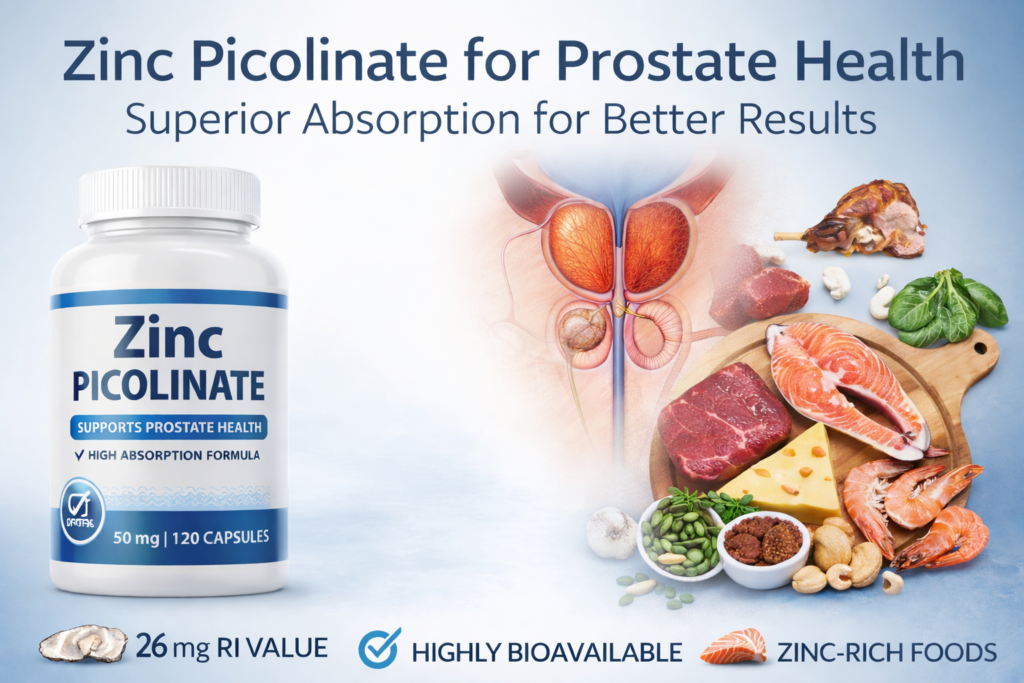
The human prostate gland is unique in its relationship with zinc. Healthy prostate tissue contains zinc concentrations 10-15 times higher than most other organs. This isn’t random, the mineral plays specific, essential roles in maintaining normal prostate function.
Zinc’s Multiple Functions in Prostate Tissue
Citrate production and energy metabolism: Prostate cells produce citrate (a form of citric acid) and secrete it into seminal fluid. This process requires zinc as a cofactor. The mineral helps regulate the metabolic pathway that allows prostate cells to accumulate and secrete citrate rather than using it for energy.
Antimicrobial protection: Seminal zinc contributes to the natural antimicrobial properties of prostatic fluid, helping protect the urinary tract and reproductive system from bacterial infections. Men with recurrent prostatitis often show reduced zinc levels in prostatic secretions.
Hormone regulation: Zinc influences the activity of 5-alpha reductase, the enzyme that converts testosterone to dihydrotestosterone (DHT). While the mineral doesn’t block this enzyme dramatically like prescription medications, it helps maintain balanced hormone metabolism within prostate tissue.
Antioxidant and anti-inflammatory effects: The mineral supports several antioxidant enzyme systems that protect prostate cells from oxidative damage. It also modulates inflammatory signaling pathways, helping maintain a balanced immune response in the gland.
2. The Zinc Deficiency Connection to Prostate Problems
Multiple lines of research connect inadequate zinc status with prostate enlargement and dysfunction.
What Studies Show About Zinc Levels in BPH
Men with benign prostatic hyperplasia (BPH) consistently show lower zinc concentrations in their prostate tissue compared to men with healthy prostates. One study found that BPH tissue contained only 62% of the zinc present in normal prostate tissue. This depletion appears to correlate with symptom severity and gland enlargement.
The mechanism likely involves multiple factors. Lower zinc levels may impair the prostate’s ability to regulate cell growth properly, leading to tissue proliferation. Reduced antioxidant capacity from zinc deficiency can increase oxidative stress, triggering inflammatory cascades that contribute to enlargement and discomfort.
Age-Related Zinc Decline
As men age, prostate zinc levels naturally decline, even in the absence of disease. This gradual depletion coincides with the age range when BPH symptoms become increasingly common. Whether zinc loss contributes to prostate problems or results from them remains debated, but the correlation is clear.
Dietary zinc intake also tends to decrease with age. Older men may eat less overall, choose foods lower in zinc-rich items like meat and seafood, or have reduced absorption efficiency. This creates a perfect storm: increasing zinc needs in prostate tissue coupled with decreasing dietary intake and absorption.
Did You Know?
The prostate contains approximately 150 mg of zinc in healthy tissue, representing one of the highest concentrations in the human body. In comparison, the liver—another zinc-rich organ—contains roughly 30 mg total.
3. Understanding Zinc Picolinate
Not all zinc supplements deliver equal amounts of usable mineral. The form of zinc dramatically affects how much your body can actually absorb and utilize.
How Picolinic Acid Enhances Zinc Absorption
Zinc picolinate pairs the zinc ion with picolinic acid, a natural compound produced in your body from the amino acid tryptophan. This chelated form creates a stable complex that facilitates transport across the intestinal wall.
Research comparing different zinc forms consistently shows that the picolinate version achieves higher blood zinc levels than zinc oxide, zinc gluconate, or zinc citrate. One study measuring zinc retention found that zinc picolinate was absorbed 1.5 to 2 times better than zinc citrate. This superior bioavailability means you need less total zinc to achieve the same therapeutic effect.
Why Absorption Matters for Prostate Health
Higher absorption translates to better tissue delivery. When you take zinc picolinate, more of the mineral reaches your bloodstream and eventually accumulates in prostate tissue where it’s needed. This is particularly important for men trying to restore depleted prostate zinc levels.
Better absorption from zinc picolinate also reduces the digestive side effects sometimes associated with zinc supplements. Forms with poor bioavailability can irritate the stomach lining, causing nausea or discomfort. Because this chelated form is efficiently absorbed, less unabsorbed zinc remains in the digestive tract to cause problems.
4. Clinical Evidence: Zinc Supplementation and Prostate Outcomes
What does research actually show about zinc supplementation and prostate health markers?
Studies on Zinc Status and Prostate Function
Several observational studies link higher dietary zinc intake with reduced prostate problems. Men consuming adequate zinc through diet and supplements tend to report fewer urinary symptoms and maintain better prostate tissue health as they age.
In intervention trials, zinc supplementation has shown various benefits. One study examining men with chronic prostatitis found that zinc supplementation reduced symptom scores and improved quality of life measures. Another trial showed that combined zinc and selenium supplementation supported healthy prostate tissue markers over a 12-month period.
Zinc’s Role in Multi-Nutrient Formulas
Most successful prostate health studies use multi-ingredient formulas that include zinc alongside herbs, antioxidants, and other minerals. This reflects the reality that prostate health depends on multiple nutritional factors working together.
For example, zinc works synergistically with selenium (another mineral concentrated in prostate tissue) to enhance antioxidant protection. It complements saw palmetto’s hormone-modulating effects by supporting healthy tissue metabolism. This is why comprehensive formulas like Prost-Fix include zinc picolinate as part of a 30-ingredient blend designed to support prostate health from multiple angles.
5. Optimal Dosing: How Much Zinc Picolinate for Prostate Support?
Determining the right dose of zinc picolinate requires balancing effectiveness with safety.
Standard Supplemental Doses
Most prostate health formulas provide 15-30 mg of elemental zinc per serving using zinc picolinate. This range aligns with research showing benefits while staying well below the tolerable upper intake level of 40 mg daily for long-term use.
Because zinc picolinate offers superior absorption, you may achieve therapeutic benefits with doses at the lower end of this range. A formula providing 15-20 mg of zinc as zinc picolinate may deliver as much usable zinc as 30-40 mg of a less bioavailable form.
Dietary Zinc Considerations
Don’t forget that food contributes zinc too. Red meat, oysters, poultry, beans, nuts, and whole grains all provide varying amounts. Most men consume 10-15 mg of zinc daily through diet alone. When adding supplements, consider your total intake to avoid exceeding recommended levels.
If you’re using a comprehensive prostate formula that includes zinc picolinate along with a multivitamin containing zinc, check both labels to calculate your total daily intake. Staying within the 15-40 mg range typically provides benefits without risks.
When Higher Doses Might Be Used
Some practitioners recommend short-term higher-dose zinc supplementation (40-50 mg daily) for men with confirmed zinc deficiency or severe prostate symptoms. However, doses above 40 mg should only be used under medical supervision and typically for limited periods (a few months) to restore tissue levels before reducing to maintenance doses.
Did You Know?
The recommended dietary allowance (RDA) for zinc is 11 mg daily for adult men. However, men with prostate concerns may benefit from higher amounts—in the 15-30 mg range—to support optimal tissue zinc concentrations.
6. Combining Zinc Picolinate with Other Prostate Nutrients
Zinc doesn’t work in isolation. Several nutrients enhance its effects or address complementary pathways.
Selenium: The Perfect Partner
Selenium and zinc work together in prostate tissue, supporting overlapping antioxidant enzyme systems. Research shows that combined zinc and selenium supplementation may be more effective than either mineral alone for maintaining healthy prostate tissue markers.
Most prostate-focused formulas include both minerals. Prost-Fix, for example, provides zinc picolinate alongside selenium to maximize antioxidant protection and support immune function in prostate tissue.
Copper Balance
One important consideration with zinc supplementation is copper status. High-dose zinc can interfere with copper absorption over time, potentially leading to copper deficiency. This rarely occurs at doses below 40 mg, especially when supplements include a small amount of copper to maintain balance.
Quality multi-ingredient formulas address this by including 1-2 mg of copper when providing higher zinc doses. If you’re taking zinc picolinate separately, consider using a product that includes copper or ensure your diet provides adequate copper from foods like nuts, seeds, and whole grains.
Vitamin D and Zinc Synergy
Vitamin D supports prostate health through its effects on cell differentiation, immune function, and inflammation. Emerging research suggests that vitamin D and zinc work synergistically, with adequate levels of both minerals supporting better outcomes than either alone.
7. Zinc Picolinate vs. Other Zinc Forms: A Direct Comparison
Understanding how different zinc supplements compare helps you choose the most effective option.
Common Zinc Forms and Their Absorption Rates
Zinc oxide: Often used in multivitamins due to low cost, but poorly absorbed (approximately 50% bioavailability)
Zinc gluconate: Better absorbed than oxide, commonly used in lozenges, moderate bioavailability (60-65%)
Zinc citrate: Good absorption, well-tolerated, similar bioavailability to gluconate
Zinc acetate: Sometimes used in specialized formulas, moderate absorption
Zinc picolinate: Highest bioavailability among common forms, well-tolerated, efficiently utilized by tissues
Zinc monomethionine: Another highly absorbable form, comparable to the picolinate version but less commonly used
Why Specialized Formulas Choose the Picolinate Form
When formulating targeted supplements like Prost-Fix, manufacturers select ingredients based on effectiveness, not just cost. The picolinate form costs more than zinc oxide, but its superior absorption justifies the expense for men seeking meaningful prostate support.
The difference becomes significant over months of use. If you absorb 50% more zinc from this chelated form compared to oxide, you’re delivering substantially more mineral to prostate tissue with the same milligram dose.
8. Safety, Side Effects, and Interactions
Like any supplement, this chelated mineral form should be used appropriately with awareness of potential considerations.
Generally Well-Tolerated at Appropriate Doses
Most men tolerate the picolinate form without issues when using standard doses (15-30 mg daily). The enhanced absorption actually reduces common zinc supplement side effects like nausea or stomach upset, since less unabsorbed zinc irritates the digestive tract.
Potential Concerns with Excessive Intake
Long-term zinc supplementation above 40 mg daily can cause problems:
Copper deficiency: Mentioned earlier, this is the most common concern with chronic high-dose zinc use
Immune dysfunction: Paradoxically, too much zinc can impair rather than support immune function
HDL cholesterol reduction: Some studies show that very high zinc doses may lower beneficial HDL cholesterol
Reduced absorption of other minerals: Excessive zinc can interfere with iron and magnesium absorption
These issues rarely occur at doses used in prostate health formulas but are worth awareness if combining multiple zinc-containing supplements.
Medication Interactions
Zinc can interact with certain medications:
Antibiotics: Some antibiotics bind zinc, reducing absorption of both the medication and the mineral. Take them at different times of day.
Diuretics: Certain diuretics increase zinc excretion, potentially increasing zinc needs.
Penicillamine: This medication for rheumatoid arthritis interacts with zinc; discuss supplementation with your doctor if using this drug.
Most men taking standard medications can safely use zinc picolinate at recommended doses, but always inform your healthcare provider about supplements you’re taking.
9. Dietary Zinc: Foods That Support Prostate Health
While zinc picolinate supplements offer concentrated doses, dietary sources contribute to your overall zinc status and provide other beneficial nutrients.
Top Zinc-Rich Foods for Men
Oysters: The zinc champion, with 6-8 oysters providing over 100 mg—far more than you need, but occasional consumption supports healthy levels
Red meat: Beef and lamb provide highly absorbable zinc, with a 3-ounce serving delivering 5-7 mg
Poultry: Chicken and turkey contribute 2-3 mg per serving
Seafood: Crab, lobster, and fish provide moderate zinc amounts
Pumpkin seeds: A plant-based option offering 2-3 mg per ounce, plus other prostate-supportive compounds
Nuts: Cashews, almonds, and pecans contribute zinc along with healthy fats
Legumes: Beans and lentils provide zinc, though plant-based zinc is less efficiently absorbed than animal sources
Absorption Considerations
Zinc from animal foods is more bio-available than zinc from plant sources due to the presence of phytates in plants, which bind minerals and reduce absorption. This doesn’t mean vegetarian sources are useless, but it does mean plant-based eaters may need higher zinc intakes or supplementation to achieve optimal status.
Cooking methods affect zinc retention. Boiling can leach some zinc into cooking water, while roasting and grilling preserve mineral content better.
10. Building a Complete Zinc Strategy for Prostate Health
Effective zinc supplementation fits into a broader prostate wellness approach.
The Foundation: Consistent Supplementation
Choose a quality product containing this highly absorbable form of zinc, either as a standalone supplement or as part of a comprehensive prostate formula. Take it daily with food to enhance absorption and minimize any potential digestive effects.
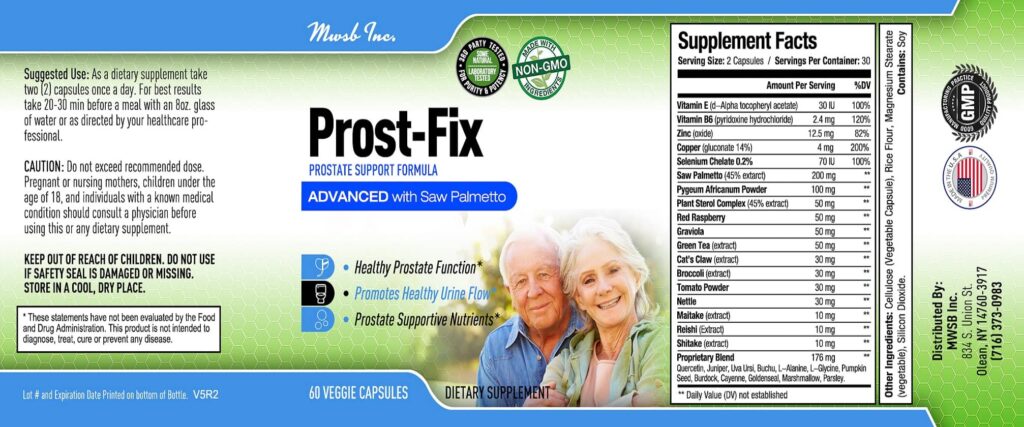
Products like Prost-Fix simplify this by providing the picolinate form alongside complementary ingredients—saw palmetto, nettle root, beta-sitosterol, quercetin, selenium, and others—in one capsule. This eliminates the need to manage multiple bottles while ensuring you receive synergistic nutrients.
Monitor Your Response
While zinc works gradually, most men notice subtle improvements in energy, immune function, and overall well-being within 4-8 weeks. Prostate-specific benefits may take longer, typically 2-4 months of consistent use.
Track urinary symptoms using a simple journal: frequency, nighttime bathroom trips, stream strength, feeling of complete emptying. This provides objective feedback on whether your supplementation strategy is working.
Complement with Lifestyle Factors
Zinc supplementation works best as part of a comprehensive approach:
Balanced diet: Emphasize whole foods, including zinc-rich proteins and colorful vegetables providing other prostate-protective compounds
Adequate hydration: Proper fluid intake supports urinary tract health, though taper intake before bedtime to reduce nighttime urination
Regular exercise: Physical activity supports healthy hormone metabolism and reduces inflammation
Stress management: Chronic stress can deplete zinc and worsen urinary symptoms
Limit alcohol and excess caffeine: Both can irritate the prostate and urinary tract
Regular Health Monitoring
Even when supplementing appropriately, continue regular prostate health monitoring with your healthcare provider. This includes:
- Annual prostate exams after age 50 (earlier if higher risk)
- PSA testing as recommended by your doctor
- Discussing symptom changes or concerns promptly
- Blood tests to monitor zinc, copper, and other nutrient levels if using higher doses long-term
11. Understanding Realistic Expectations
Zinc picolinate supports prostate health as part of a comprehensive strategy, but it’s important to understand what it can and can’t do.
What Zinc Supplementation May Help With
- Maintaining healthy prostate tissue zinc levels
- Supporting normal prostate immune function
- Providing antioxidant protection against oxidative damage
- Contributing to balanced hormone metabolism
- Reducing inflammation in prostate tissue
- Supporting overall urinary tract comfort when combined with other nutrients
What Zinc Won’t Do
- Dramatically shrink an enlarged prostate overnight
- Replace medication for severe BPH symptoms
- Prevent prostate cancer with certainty (though adequate zinc status may reduce risk)
- Eliminate all urinary symptoms immediately
- Work as a standalone treatment for significant prostate problems
The mineral functions as nutritional support, providing what prostate tissue needs to function optimally—rather than as a drug that forces specific biochemical changes.
12. The Multi-Ingredient Advantage: Why Zinc Works Better with Other Compounds
Given that prostate health involves complex interactions between hormones, inflammation, oxidative stress, and tissue growth, combining zinc picolinate with complementary ingredients makes biological sense.
How Comprehensive Formulas Address Multiple Pathways
Prost-Fix exemplifies this approach by combining 30 ingredients:
Minerals: Zinc picolinate and selenium provide essential nutritional support with superior absorption
Herbs: Saw palmetto, nettle root, and pygeum address hormone metabolism and tissue growth
Plant compounds: Beta-sitosterol, quercetin, and green tea extract offer anti-inflammatory and antioxidant benefits
Amino acids and supporting nutrients: L-alanine, glycine, and others support prostate tissue metabolism
This comprehensive strategy addresses urinary comfort, hormone balance, inflammation, antioxidant defense, and nutritional support simultaneously. The inclusion of zinc picolinate ensures optimal mineral delivery, likely explaining why men often report better results with multi-ingredient formulas than single-nutrient supplements.
Conclusion
Zinc picolinate represents one of the most important nutritional considerations for men concerned about prostate health. The prostate’s unique relationship with this mineral, concentrating it at levels 10-15 times higher than most organs, underscores zinc’s essential role in maintaining healthy tissue function.
While zinc picolinate can be used as a standalone supplement, research suggests better outcomes when combined with complementary herbs, antioxidants, and other minerals. Comprehensive formulas like Prost-Fix provide this multi-pathway support in convenient daily capsules, eliminating the complexity of managing multiple bottles while ensuring synergistic nutrient interactions.
Prost-Fix Pricing and Supply Options
| Option | Supply Length | Price | Notes |
| Prost-Fix – 1 Bottle | 30-day supply | $29.95 | Ideal for first-time users to assess tolerance and initial benefits. |
| Prost-Fix – 3 Bottles | 90-day supply | $59.90 | Best value for consistent multi-month use needed to restore tissue zinc levels and see full benefits. |