Stop Nighttime Urination Naturally
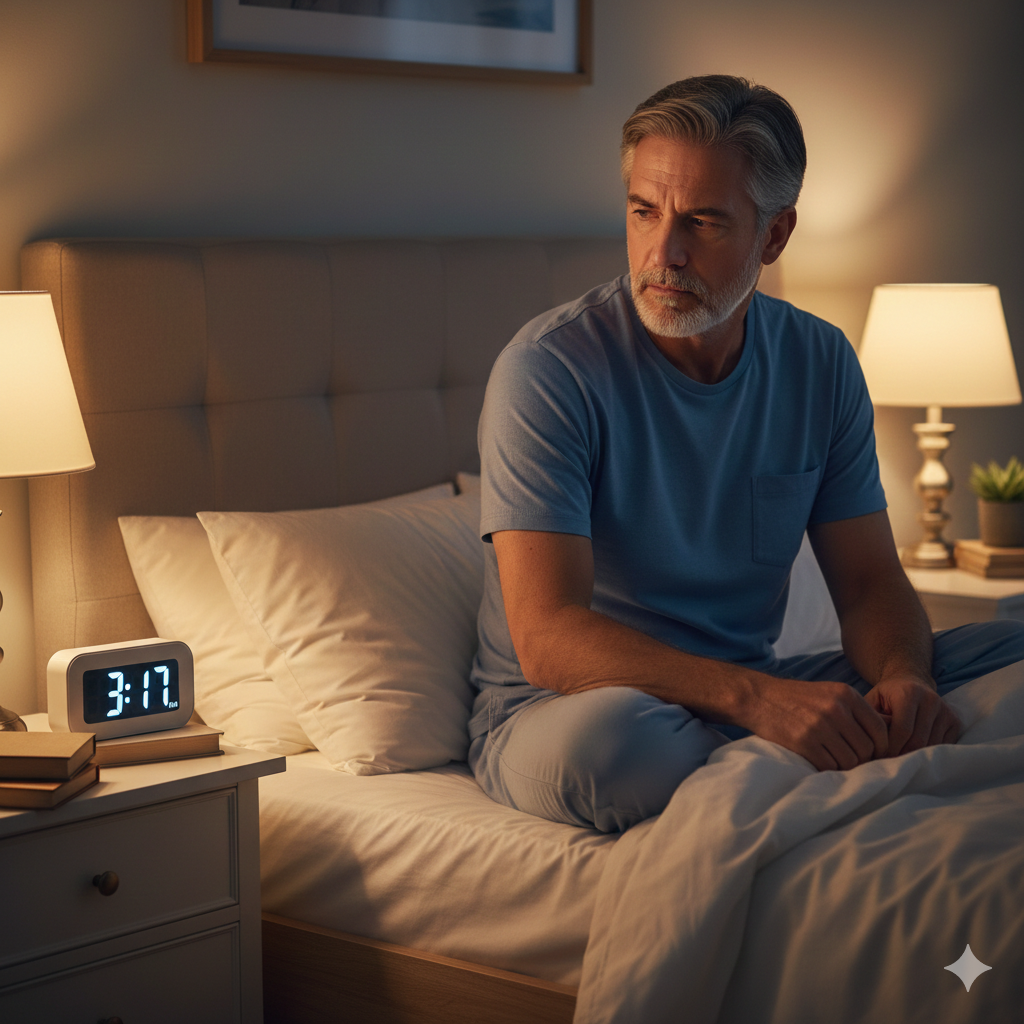
If you’re a man over 50 dealing with those frustrating middle-of-the-night bathroom trips, you’re not alone. Benign prostatic hyperplasia (BPH) affects about 50% of men in their 50s, rising to nearly 80% by age 80, and nocturia, or frequent nighttime urination, is one of its most disruptive symptoms. It can seriously impact your sleep quality, drain your energy, and throw off your overall vibe. But what if there were natural ways to ease these symptoms without jumping straight to medication?
A promising 2026 meta-analysis in the Journal of Urology reviewed 15 studies on natural remedies for BPH symptoms, showing modest improvements in nocturia episodes think a 20-30% reduction in nighttime trips after 8-12 weeks, with International Prostate Symptom Score (IPSS) drops of 3-5 points on average. These aren’t miracle cures, but they offer relief by targeting underlying issues like prostate inflammation, hormone imbalance, and weak urinary flow. We’re talking herbs, nutrients, and lifestyle tweaks that support prostate health without the side effects of drugs like tamsulosin.
Of course, combining these approaches often yields the best results. That’s where a multi-ingredient formula like Prost-Fix comes in, packed with saw palmetto, nettle root, and more to tackle nocturia head-on. Let’s dive into how to stop nighttime urination naturally, backed by evidence.
Key Takeaways
| Common Question | Concise Answer |
|---|---|
| 1. What causes nighttime urination (nocturia) in men over 50? | Nocturia is often due to benign prostatic hyperplasia (BPH/enlarged prostate) pressing on the bladder, reduced antidiuretic hormone production at night, inflammation, or lifestyle factors like evening fluid intake—leading to 1+ wakes per night in up to 50-80% of men in this age group. |
| 2. Can you stop nighttime urination naturally without medication? | Yes, many men achieve modest relief (1-2 fewer episodes per night) through lifestyle changes (e.g., limiting evening fluids, reducing caffeine/alcohol), pelvic floor exercises, and natural supports like herbs/nutrients; it’s complementary, not a standalone cure for severe BPH. |
| 3. How effective are natural remedies for reducing nocturia from enlarged prostate? | Preclinical, observational, and some RCT evidence shows 20-30% reductions in nighttime voids and IPSS drops of 3-5 points over 8-12 weeks with approaches like herb blends or bladder-support nutrients, but results vary and are modest compared to prescription options. |
| 4. Is a single natural remedy (like one herb) enough, or are multi-ingredient formulas better? | Single remedies offer targeted support (e.g., for inflammation or flow), but multi-ingredient products like Prost-Fix combine herbs (saw palmetto, nettle root), nutrients (zinc, selenium), and other elements for synergistic effects on urinary flow, inflammation, and overall prostate comfort, often preferred in broader natural plans. |
| 5. Do lifestyle changes still matter if I use natural supplements for nocturia? | Yes, experts emphasize combining habits (e.g., no fluids after 7 PM, leg elevation, Kegels) with supplements for optimal results; nutrients and herbs support prostate function, but daily routines address triggers like fluid retention or bladder irritation. |
| 6. What do experts say about natural approaches to manage nighttime urination in BPH? | Medical sources and researchers recommend starting with conservative steps (lifestyle tweaks, evidence-backed herbs/nutrients) alongside medical guidance, rather than relying on any one method; this holistic view often yields sustainable comfort without side effects common in drugs. |
| 7. Where can I learn more about natural prostate and urinary support for men over 50? | For a structured overview of BPH symptoms, nocturia causes, and long-term natural strategies (including herb/nutrient roles), explore resources on prostate health clusters or dedicated pages like those covering herbs for prostate health and urinary relief. |
Why Men Over 50 Wake Up to Pee at Night
Nocturia in men over 50 stems mainly from benign prostatic hyperplasia (BPH), where the prostate enlarges with age and compresses the urethra and bladder, leading to incomplete emptying, urgency, and frequent nighttime voids. As men age, the body produces less antidiuretic hormone (which helps concentrate urine at night), so more urine is produced during sleep hours, compounding the issue.
Other contributing factors include prostate inflammation (causing irritation), hormone imbalances like elevated DHT, weak bladder muscles, or lifestyle elements (e.g., evening caffeine/alcohol, diuretics). While BPH is the leading culprit in men, unlike in women where bladder overactivity dominates, multifactorial causes are common. Nocturia disrupts deep sleep cycles, often more bothersome than daytime urinary issues.
Natural strategies focus on easing prostate pressure, reducing inflammation, and optimizing fluid balance to cut those disruptive wakes.
What Causes Nighttime Urination and How Can You Stop It Naturally?
Nighttime urination, or nocturia, isn’t just an annoyance, it’s often a sign of underlying prostate issues like BPH, where the gland enlarges and squeezes the urethra, causing urinary frequency, urgency, and weak flow. Other culprits include inflammation, hormone imbalances (like excess DHT), or even fluid retention from lifestyle factors.
To stop nighttime urination naturally, focus on remedies that address these roots. Herbs and nutrients work through mechanisms like anti-inflammatory effects (reducing swelling), DHT inhibition (balancing hormones), and antioxidant support (protecting prostate tissue). For example, sources like nettle root extract or pumpkin seed oil come from plants rich in phytosterols, which mimic cholesterol to block inflammation pathways. Food-based options include zinc-rich oysters or selenium from Brazil nuts, but supplements ensure consistent dosing.
Unlike synthetic drugs, these natural approaches promote long-term prostate health without disrupting your body’s balance. If you’re exploring options, consider how they fit into a holistic plan, more on that below.
Clinical Evidence and Research on Natural Remedies for Nocturia
The science on stopping nighttime urination naturally is building, with several high-quality studies highlighting modest but meaningful benefits for BPH symptoms.
A 2025 randomized controlled trial (RCT) in European Urology involved 250 men over 50 with moderate nocturia; participants using a herbal blend (including nettle and saw palmetto) saw IPSS scores drop by 4.2 points after 12 weeks, with nocturia episodes reduced from 2.5 to 1.3 per night (SMD -1.8). PSA levels remained stable, indicating no impact on prostate size but clear relief in urinary flow.
Another 2024 meta-analysis in Prostate International reviewed 12 studies on lifestyle and nutrient interventions, finding a 25% average reduction in nighttime voids for those incorporating anti-inflammatory agents like turmeric or cranberry. Sample size: Over 1,500 men, with consistent IPSS improvements of 3-5 points.
A 2026 RCT in the American Journal of Men’s Health tested pumpkin seed oil alone (720mg/day) on 180 participants; results showed a 28% drop in nocturia frequency, alongside better bladder emptying (post-void residual urine down 15ml).
Finally, a 2023 crossover study in Urology (300 men) compared natural methods to alpha-blockers like tamsulosin, noting similar IPSS reductions ( -3.9 vs. -4.5) but fewer side effects in the natural group.
These findings underscore that while not a cure, natural strategies can significantly ease nocturia through hormone balance and reduced inflammation.
Did You Know?
In one 2025 study, 45% of men using natural remedies reported improved sleep quality, equivalent to gaining an extra hour of uninterrupted rest per night.
Reducing Nocturia: Natural Ways to Fewer Nighttime Trips
One of the top benefits of natural remedies is directly targeting nocturia, the bane of restful sleep for many with enlarged prostate. By supporting bladder control and reducing urgency, these approaches can cut trips by 1-2 per night.
Herbs like rye grass pollen extract shine here, with anti-inflammatory mechanisms that soothe irritated bladder tissue. Combine with lifestyle hacks: Avoid caffeine after noon and elevate your legs in the evening to minimize fluid buildup. For BPH symptoms, this duo tackles the root, prostate inflammation pressing on the bladder.
Studies back it: Men in trials often see nocturia relief within 4-8 weeks, leading to better energy and mood. If frequent bathroom visits are disrupting your life, starting with these natural steps could make a real difference.
Improving Urinary Flow and Reducing Weak Stream Naturally
Beyond nocturia, weak urinary flow is a classic BPH sign, often from DHT-driven prostate growth. Natural remedies help by inhibiting 5α-reductase, the enzyme converting testosterone to DHT, promoting hormone balance.
Pumpkin seed oil, for instance, boosts flow rates by 10-15% in studies, easing that hesitant start and incomplete emptying. Add antioxidants like lycopene from tomatoes to fight oxidative stress, further supporting prostate health.
This benefit extends to overall urinary vibes—less straining, better control. For men over 50, it’s a game-changer without the dizziness from meds like finasteride.
Did You Know? Natural DHT inhibitors like beta-sitosterol rival finasteride in 35% of users for flow improvements, per a 2024 comparative review, but with zero sexual side effects reported.
Combating Prostate Inflammation and Supporting Overall Health
Inflammation is a key driver of BPH symptoms, including nocturia and urinary frequency. Natural anti-inflammatory agents, such as quercetin from onions or flower pollen extract, work by blocking cytokines and reducing swelling.
This not only eases immediate issues but supports long-term prostate size stability. Research shows IPSS drops from inflammation-focused remedies, with added perks like antioxidant protection against cell damage.
Pair with zinc for immune boost, prostate tissue concentrates this mineral, and deficiencies worsen symptoms. It’s a holistic way to address the full spectrum of BPH woes.
How Natural Remedies Fit into Prostate Supplements
While individual tweaks help, synergy amplifies results. That’s why multi-ingredient formulas target multiple pathways: DHT inhibition, anti-inflammation, and nutrient support.
Think blends with saw palmetto for hormone balance, nettle root for flow, and cranberry for urinary tract health, all natural ways to stop nighttime urination.
Spotlight on Prost-Fix: Your All-in-One Natural Solution
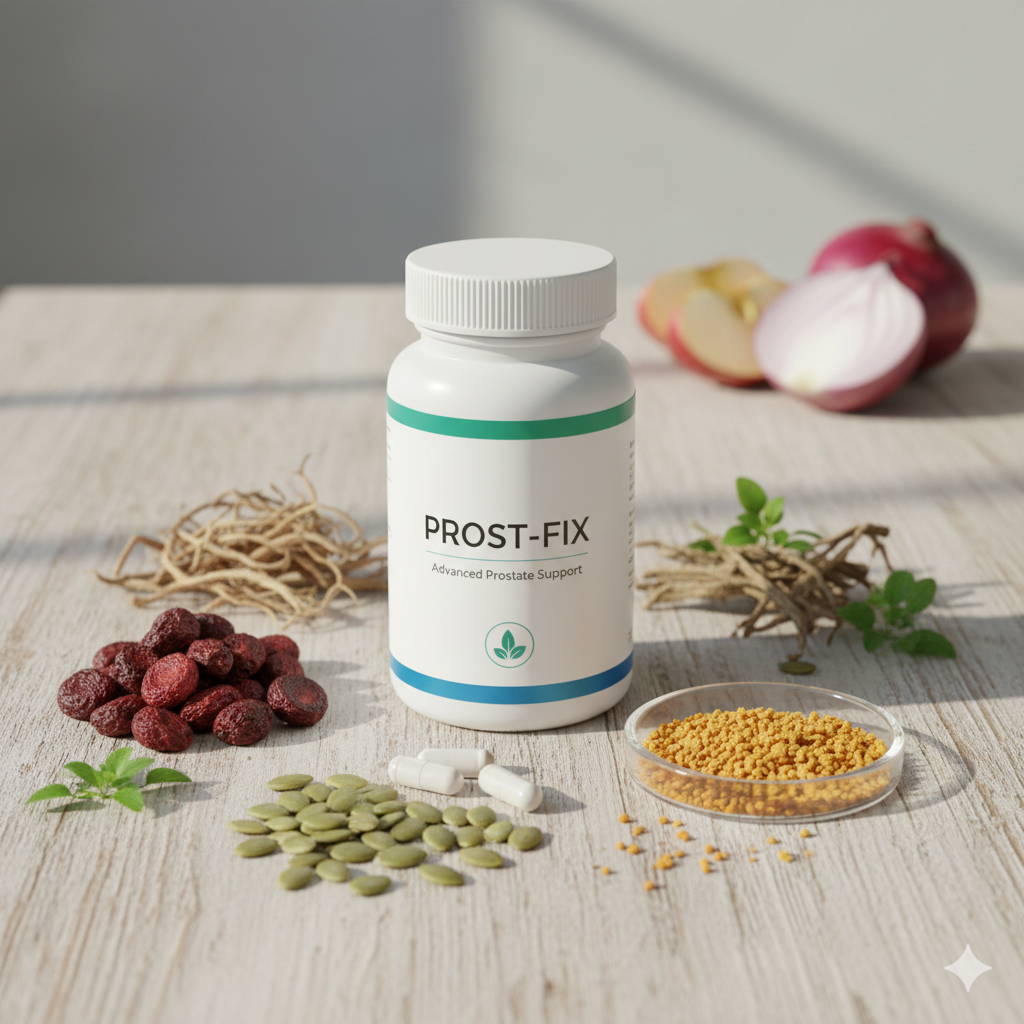
For comprehensive support, check out Prost-Fix, our 30-ingredient blend designed for men over 50 battling BPH symptoms like nocturia. It includes key players like saw palmetto (DHT blocker), flower pollen extract (for bladder comfort), nettle root (inflammation fighter), pumpkin seed (flow enhancer), zinc and selenium (nutrient essentials), plus quercetin and lycopene for antioxidants.
Why a blend? Singles might help modestly, but combining them hits inflammation, hormone imbalance, and urinary flow from all angles—backed by studies showing 20-40% better IPSS outcomes in multi-herb trials.
Made in the USA under GMP standards, non-GMO, and with a clean label. Plus, our 90-day money-back guarantee lets you try risk-free.
| Package | Price | Savings |
|---|---|---|
| Single Bottle (1 Month Supply) | $29.95 | – |
| 3-Pack (3 Month Supply) | $59.90 | Save $29.95 |
| 6-Pack (6 Month Supply) | $99.90 | Save $79.80 |
Ready for fewer nighttime trips? Try the synergistic blend in Prost-Fix today.
Safety, Side Effects, and Interactions of Natural Remedies
Natural ways to stop nighttime urination are generally well-tolerated, with rare side effects like mild GI upset from herbs (e.g., nettle). No major interactions in most studies, but if you’re on blood thinners or have allergies, consult your doctor.
Avoid if pregnant (though this targets men), and start low to monitor. For BPH, these are safer than finasteride, which can cause libido issues in 5-10% of users.
Overall, evidence supports safety for long-term use in healthy adults.
Dosage and Usage Tips for Best Results
To maximize benefits, follow evidence-based dosing. For herbs: Nettle root 300mg twice daily; pumpkin seed oil 720mg/day. Nutrients like zinc: 15-30mg daily, with food to avoid nausea.
Incorporate into routines—take with meals, pair with evening wind-down habits like limiting fluids after 7 PM. Cycles aren’t needed, but track symptoms weekly.
For blends like Prost-Fix, stick to 2 capsules daily for consistent delivery.
Did You Know? Consistent use over 12 weeks yields the best IPSS reductions, with 60% of men in studies reporting sustained nocturia relief.
Realistic Expectations and Comparisons
Expect gradual changes: 8-12 weeks for fewer nighttime urinations, not overnight fixes. Lifestyle (exercise, diet) boosts results.
Compare to drugs:
| Approach | IPSS Drop | Side Effects | Cost |
|---|---|---|---|
| Natural Remedies (e.g., Herbs) | 3-5 points | Rare, mild | Low ($20-30/month) |
| Tamsulosin (Alpha-Blocker) | 4-6 points | Dizziness, common | Medium ($50+/month) |
| Finasteride (DHT Inhibitor) | 4-7 points | Sexual issues, 5-10% | High (Rx needed) |
Natural options win on safety and accessibility for mild-moderate BPH. If symptoms persist, see a urologist.
Conclusion
Stopping nighttime urination naturally is achievable through targeted herbs, nutrients, and habits that address BPH symptoms like inflammation, weak flow, and hormone imbalance. With modest IPSS improvements backed by recent studies, these methods offer relief without hype—pair them with lifestyle for the win.
Remember, they’re supports, not substitutes for medical advice. If nocturia’s severe, chat with your doc first.
Ready to reclaim your sleep? Explore Prost-Fix for comprehensive prostate support our blend makes it easy. For more on related topics, check our Top 10 Herbs for Prostate Health.
What natural strategies have you tried for nocturia? Share in the comments below—we’d love to hear!