 Skip to content
 Top 12 Frequently Asked Questions About Prostate Health
Key Takeaways:
- The prostate is crucial for male reproductive health and changes with age
- Common prostate conditions include prostatitis, BPH, and prostate cancer
- Regular check-ups and healthy lifestyle choices are essential for prostate health
- Natural supplements like Prost Fix can support prostate function
- Early detection and proper management are key to maintaining prostate health
- A balanced diet rich in specific nutrients can positively impact prostate health
- Understanding risk factors helps in prevention and early intervention
1. What is the Prostate and Why is it Important?


The prostate is a small gland in men, about the size of a walnut. It’s located below the bladder and in front of the rectum. The prostate makes seminal fluid, which helps sperm move during reproduction. Understanding the prostate’s function is important for men’s health, as it affects both peeing and sex.
As men get older, the prostate usually grows bigger. This is called benign prostatic hyperplasia (BPH). While this growth is normal, it can sometimes cause problems. The bigger prostate might squeeze the urethra, the tube that carries pee out of the body, making it hard to pee. That’s why taking care of your prostate becomes more important, especially after age 50. Regular check-ups can help catch and fix issues early, helping men stay healthy as they age.
2. What Are the Most Common Prostate Conditions?

There are three main prostate conditions men should know about:
- Prostatitis: This is when the prostate gets swollen or infected. It can happen to men of any age and usually hurts when peeing. It can come on suddenly or last a long time, and can be caused by bacteria or other things.
- Benign Prostatic Hyperplasia (BPH): This is when the prostate grows bigger but isn’t cancer. It’s common in older men and can make it hard to pee. As the prostate grows, it might squeeze the urethra, causing problems with peeing.
- Prostate Cancer: This is when cancer cells grow in the prostate. It’s more common in older men and can be serious if not found and treated early. Prostate cancer often grows slowly, so treatment can work well if it’s caught early.
Learn more about these common prostate conditions and their symptoms to stay informed about your health. Knowing about these conditions helps catch them early and treat them right, which can make a big difference in staying healthy.
3. What Are the Risk Factors for Prostate Issues?
Several things can make prostate problems more likely. Knowing these risk factors can help catch issues early:
- Age: Men over 45-50 are at higher risk, and the risk goes up as you get older
- Family history: If your dad or brother had prostate problems, you’re more likely to have them too
- Genetics: Some gene changes can make you more likely to get serious prostate cancer
- Lifestyle: Eating lots of red meat or fatty dairy, not exercising, and being overweight can lead to prostate problems
- Race: African American men are more likely to get prostate cancer and often get it younger
- Hormones: Changes in testosterone and other hormones can affect prostate health
- Environment: Being around certain chemicals or radiation might increase risk
Understanding these risk factors can help in early detection and prevention of prostate issues. Knowing these risks helps men and their doctors decide how often to get checked and what lifestyle changes might help keep the prostate healthy.
4. How Can I Support My Prostate Health Naturally?


Natural ways to support prostate health are popular because they might help and usually don’t have as many side effects as some medicines. Here are some natural methods to think about:
- Saw palmetto: This plant extract might help with symptoms of an enlarged prostate, like peeing a lot or having a weak stream.
- Nettle root: Often used with saw palmetto, nettle root might help with prostate-related peeing problems. It might also reduce swelling.
- Pygeum africanum: Made from African plum tree bark, this might help reduce nighttime peeing caused by an enlarged prostate.
- Prost Fix supplement for prostate support: This supplement combines different natural ingredients known to help the prostate, offering a complete approach to keeping the prostate healthy.
- Beta-sitosterol: A plant substance that might help improve peeing problems in men with enlarged prostates.
- Lycopene: Found in tomatoes and other red fruits, this might lower the risk of prostate cancer.
Check out our natural prostate health remedies to find what might work for you. While these natural approaches can be good, it’s important to talk to a doctor before starting any new supplements, especially if you have health issues or take other medicines.
5. What Minerals Are Essential for Prostate Health?


Certain minerals are really important for keeping your prostate healthy. Knowing about these minerals and eating foods with them can help your prostate stay well:
- Zinc: There’s a lot of zinc in the prostate, and it’s important for how it works. Zinc helps with testosterone and might slow down prostate cancer cells. You can get zinc from oysters, beef, pumpkin seeds, and lentils.
- Selenium: This mineral fights harmful stuff in your body and might help protect against prostate cancer. Some studies say taking selenium might lower prostate cancer risk, especially if you don’t have much selenium already. Brazil nuts, fish, and whole grains have lots of selenium.
- Copper: Copper works with zinc to keep the prostate healthy. It’s important to have the right balance of zinc and copper because too much zinc can lead to not enough copper. Shellfish, nuts, and dark chocolate have copper.
- Magnesium: Magnesium helps with lots of things in your body and might lower the risk of an enlarged prostate. Leafy green vegetables, nuts, and whole grains have magnesium.
- Boron: Some studies suggest boron might help lower prostate cancer risk. You can find it in nuts, fruits, and beans.
Learn more about why minerals are important for prostate health and how to get them in your diet. While it’s best to get these from food, supplements can help if you don’t get enough or need more. Always talk to a doctor before starting new supplements.
6. What Lifestyle Changes Can Improve Prostate Health?

Making changes to your lifestyle can really help keep your prostate healthy and lower the risk of prostate problems. Here are some important changes to think about:
- Exercise regularly: Try to be active for at least 30 minutes a day. This helps keep a healthy weight and improves prostate health. Walking, jogging, biking, or swimming are great choices. Regular exercise might lower the risk of an enlarged prostate and prostate cancer.
- Eat a balanced diet: Eat lots of fruits, vegetables, whole grains, and lean proteins. These foods have important nutrients for prostate health. Try to eat foods with antioxidants, like tomatoes, berries, and leafy greens. Eat less red meat and high-fat dairy, which might increase prostate cancer risk.
- Manage stress: Too much stress for a long time can be bad for your health, including your prostate. Try things like meditation, yoga, or deep breathing to reduce stress. Relaxing regularly can help balance hormones and reduce inflammation in your body.
- Get enough sleep: Good sleep is important for overall health and can affect your prostate. Try to get 7-9 hours of quality sleep each night. Stick to a regular sleep schedule and create a relaxing bedtime routine to improve your sleep.
- Stay hydrated: Drinking enough water is important for urinary health and can help flush out toxins. Try to drink at least 8 glasses of water a day, adjusting based on how active you are and the weather.
- Limit alcohol and caffeine: Drinking too much alcohol and caffeine can irritate your bladder and prostate. Try to drink no more than 1-2 alcoholic drinks a day and cut back on caffeine, especially in the evening.
- Quit smoking: Smoking has been linked to a higher risk of aggressive prostate cancer. Quitting smoking can improve your overall health and lower prostate cancer risk.
- Practice pelvic floor exercises: Kegel exercises can strengthen the muscles that support your bladder and prostate, which might improve urinary control and sexual function.
Find more lifestyle tips for keeping your prostate healthy. Remember, small, consistent changes in your daily routine can make a big difference in your prostate health over time. It’s never too late to start these healthy habits.
7. When Should I Start Getting Prostate Screenings?
Prostate screenings are important for finding prostate problems early, including prostate cancer. When to start screenings can depend on your personal risk factors:
- General population: Most doctors suggest men with average risk should start talking about prostate cancer screening with their doctor around age 45-50. This helps you make a decision based on what you prefer and your risk factors.
- High-risk individuals: Men at higher risk, like African American men or those with family history of prostate cancer, should think about starting these talks earlier, around age 40-45.
- How often to get screened: Your doctor might suggest yearly check-ups or less frequent screenings, depending on your initial PSA (Prostate-Specific Antigen) levels and overall health.
- Types of screenings: Common screening methods include the PSA blood test and digital rectal examination (DRE). These tests can help find prostate problems before you have symptoms.
- Things to consider: It’s important to think about the good and bad points of screening, as some prostate cancers grow slowly and might not need immediate treatment.
Talk to your doctor about when you should start getting checked. They can help you decide based on your health history, family history, and other risk factors. Remember, finding problems early is key to managing prostate health well, but it’s also important to make an informed decision about screening that fits with your personal health goals and values.
8. What Are the Warning Signs of Prostate Problems?

Knowing the warning signs of prostate problems is important for finding and treating issues early. Some prostate problems might not cause noticeable symptoms at first, but here are important signs to watch for:
- Peeing problems: This includes trouble starting to pee, weak or interrupted pee flow, and straining to empty your bladder completely. These symptoms often mean an enlarged prostate (BPH) but can also be signs of other prostate issues.
- Pain or discomfort when peeing: A burning feeling or pain while peeing can be a sign of prostate inflammation (prostatitis) or a urinary tract infection.
- Peeing more often: Needing to pee more than usual, especially at night, is a common sign of prostate enlargement or other prostate issues.
- Sexual function problems: Trouble getting or keeping an erection, or pain during ejaculation, can be related to prostate health issues.
- Blood in pee or semen: While this can be caused by different things, it’s a symptom you should never ignore and needs immediate medical attention.
- Lower back or hip pain: In some cases, advanced prostate cancer can cause pain in the lower back, hips, or upper thighs if it spreads to nearby bones.
- Unexplained weight loss or tiredness: These symptoms, while not specific, can be signs of advanced prostate cancer when combined with other symptoms.
Learn more about recognizing the signs of prostate problems. Remember, these symptoms can also be caused by conditions not related to the prostate. However, if you have any of these signs, especially if they last a long time or get worse, it’s important to talk to your doctor for proper evaluation and diagnosis.
9. How Does Prost Fix Support Prostate Health?

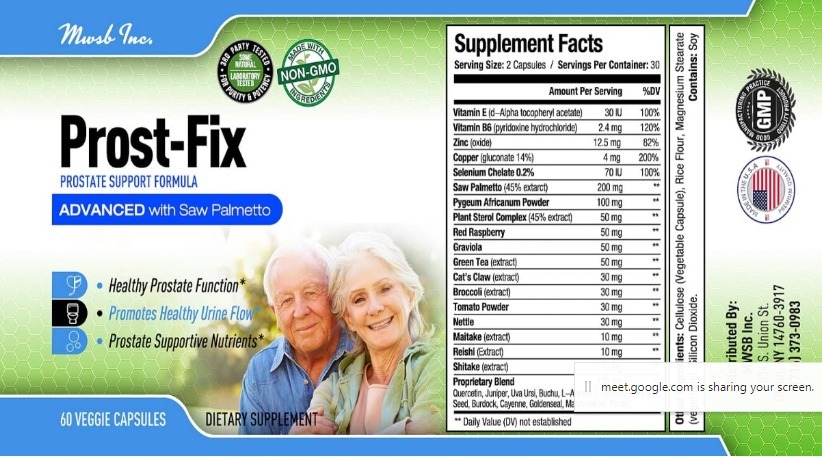
Prost Fix is a special supplement made to help support prostate health in many ways. Here’s how it works to help keep your prostate healthy:
- Special ingredients: Prost Fix has a mix of natural ingredients known to be good for prostate health. These might include saw palmetto, beta-sitosterol, pygeum africanum, and other herbs and nutrients that help the prostate.
- Helps with peeing: The formula is made to help with common peeing problems related to prostate issues, like peeing often and having a weak stream. This can help you feel better and sleep better.
- Reduces swelling: Many of the ingredients in Prost Fix can help reduce swelling and discomfort in the prostate.
- Balances hormones: Some parts of Prost Fix might help balance hormones, especially DHT, which is linked to prostate growth.
- Protects cells: The supplement has antioxidants that can help protect prostate cells from damage.
- Gives important nutrients: Prost Fix provides nutrients that the prostate needs to work well, helping to keep it healthy overall.
Learn more about Prost Fix and how it can help your prostate health. This supplement is made to provide complete support for prostate function and overall urinary health. As with any supplement, it’s important to talk to a doctor before starting Prost Fix, especially if you have health conditions or take medications.
10. Can Diet Affect Prostate Health?
What you eat can really affect your prostate health and can change your risk of getting prostate problems. Here’s how your food choices can impact your prostate:
- Fruits and vegetables: Eating lots of fruits and vegetables gives you important antioxidants and plant nutrients that can help protect against prostate problems. Tomatoes are especially good because they have lycopene, which might lower the risk of prostate cancer.
- Omega-3 fatty acids: Fish high in omega-3s, like salmon, mackerel, and sardines, can reduce inflammation that might help prostate health. Try to eat fatty fish at least twice a week.
- Low-fat options: Choosing low-fat dairy products and lean meats can help you eat less saturated fat, which might increase the risk of prostate cancer if you eat too much.
- Less red meat and processed foods: Eating a lot of red meat and processed foods has been linked to a higher risk of prostate cancer. Try to eat more plant-based proteins or lean chicken instead.
- Green tea: Green tea has lots of good stuff called polyphenols, which might help lower the risk of prostate cancer and help with enlarged prostate symptoms.
- Whole grains: Eating whole grains gives you fiber and nutrients that support overall health, including prostate function.
- Soy products: Some studies suggest that soy might help protect against prostate cancer, but more research is needed.
- Less sugar and refined carbs: Eating too much sugar and refined carbohydrates can cause inflammation in your body, which might be bad for prostate health.
Find out the best foods to eat for a healthy prostate. Remember, while diet is important, it’s just one part of taking care of your prostate. You should also exercise regularly, manage stress, and get check-ups with your doctor.
11. How Does Aging Affect the Prostate?

As men get older, their prostates go through several changes that can affect peeing and sexual health. Understanding these age-related changes is important for keeping the prostate healthy:
- Prostate growth: The most common change as men age is benign prostatic hyperplasia (BPH), where the prostate gets bigger. This can cause peeing problems like going to the bathroom often, having a weak stream, and trouble emptying the bladder completely.
- Higher risk of prostate problems: The chance of getting prostate issues, including prostate inflammation and prostate cancer, goes up with age. This makes regular check-ups more important as men get older.
- Hormone changes: Aging can affect hormone levels, especially testosterone and DHT, which play roles in prostate growth and function.
- Cell changes: The cells in the prostate might be more likely to change in ways that could lead to cancer as time goes on.
- Less muscle strength: As we age, we lose muscle strength, including in the pelvic floor muscles that support the prostate and bladder. This might contribute to peeing problems.
- Slower healing: As the body gets older, it might not heal or fight off infections as quickly, which could affect how fast prostate conditions get better.
Learn more about how aging affects prostate health and what you can do about it. While these changes are normal parts of aging, taking good care of your prostate through lifestyle changes, regular check-ups, and the right treatments when needed can help manage and reduce age-related prostate issues.
12. How Can I Get Started with Prostate Health Support?
Taking steps to support your prostate health is a good way to take care of yourself. Here’s how you can get started:
- Schedule a check-up with your doctor: Start with a full health check, including prostate screening if it’s right for your age and risk factors.
- Think about natural supplements: Look into natural prostate support supplements like Prost Fix. These can give your prostate the nutrients it needs to stay healthy.
- Change your diet: Slowly start eating more foods that are good for your prostate, like tomatoes, leafy greens, and fatty fish. Eat less processed food and red meat.
- Start exercising: Begin with moderate exercise, aiming for at least 30 minutes of activity most days. This could be brisk walking, swimming, or biking.
- Manage stress: Try stress-reduction techniques like meditation, deep breathing exercises, or yoga as part of your daily routine.
- Stay informed: Keep learning about prostate health from trusted sources and stay up-to-date with new research and advice.
- Watch for changes: Keep track of any changes in your peeing or sexual health and tell your doctor about them quickly.
- Keep a healthy weight: If needed, work on getting to and staying at a healthy weight through diet and exercise.
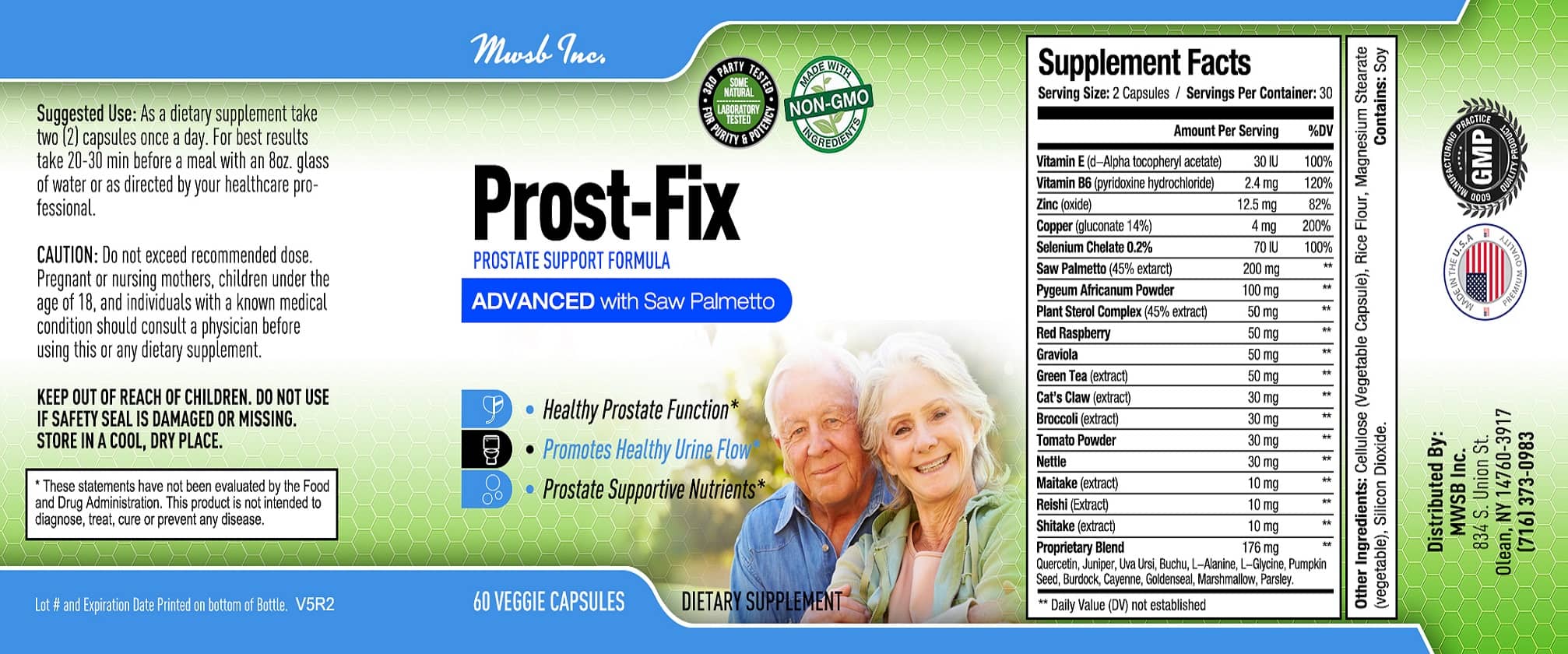
Get your free sample of Prost Fix to start taking care of your prostate health today! Remember, supporting your prostate health is something you do over time. It involves making good lifestyle choices, getting regular check-ups, and using the right supplements when you need them.
Conclusion
Taking care of your prostate is really important, especially as you get older. By understanding the risks to prostate health, knowing what warning signs to look for, and taking care of yourself in different ways, you can help keep your prostate healthy. It’s important to see your doctor regularly for check-ups and advice. Natural ways to support your prostate, like using Prost Fix, can work together with medical care by giving your prostate the nutrients it needs to work well. Also, making good choices in your life, like eating healthy foods that are good for your prostate, exercising regularly, and managing stress, all play big roles in keeping your prostate healthy. Remember, prostate health isn’t just about fixing problems when they happen; it’s about living in a way that keeps your prostate healthy over time. If you take care of your prostate consistently, you can help make sure it stays healthy, which can help you avoid problems and keep feeling good as you get older.
