Prostate Health and Aging: A Comprehensive Guide
By age 50, roughly half of men experience noticeable changes in urinary function. By 80, that number climbs to nearly 90%. Yet despite how common these changes are, many men remain uncertain about what’s normal, what’s concerning, and what evidence-based strategies can help maintain wellness as they age. This guide examines age-related biological changes, explains symptom emergence, and explores how natural nutritional support fits into a holistic approach to maintaining function over decades.
Age-by-Age Changes in Prostate Health
Ages 40s: First Signs Emerge
Many men notice subtle changes, slightly reduced stream force, occasional frequency increases, perhaps one nighttime bathroom trip. Hormonal shifts begin: testosterone starts declining (1% annually after 40), while estrogen remains stable. DHT continues to stimulate tissue. The gland begins to enlarge, though not enough to cause significant obstruction yet.
Action for prostate health: This is the critical intervention decade. Men who optimize nutrition, maintain a healthy weight, and begin targeted supplementation now often experience much milder symptoms in later decades.
Ages 50s: Symptoms Become Common
Urinary changes transition from occasional to daily realities. More consistent frequency, two or more nighttime bathroom trips, weaker stream, and incomplete emptying sensation. IPSS scores often rise from 0-7 (mild) to 8-19 (moderate).
What’s happening: Gland enlargement accelerates. Tissue surrounding the urethra grows, creating an obstruction. Inflammation becomes pronounced. Hormone imbalances widen. This is when most men should establish baseline PSA levels and begin annual screening to monitor prostate health.
Action: Comprehensive nutritional support addressing hormone balance, inflammation, antioxidants, and essential nutrients often provides meaningful symptom relief, improving quality of life for prostate health maintenance.
Ages 60s-70s: Managing Established Changes
Most men deal with ongoing urinary symptoms regularly. Frequent daytime urination (every 1-2 hours), three or more nighttime interruptions, significantly weakened stream, and straining to initiate. IPSS scores often reach 15-25 (moderate to severe).
What’s happening: The gland may have doubled or tripled in size. Chronic inflammation is established. The bladder wall thickens from working harder against the obstruction. Residual urine volume rises. Addressing these changes becomes central to maintaining prostate health in these decades.
Action: Combine supplementation with bladder training, timed voiding, dietary modifications (limiting caffeine and alcohol, especially in the evening), and stress management. Small optimizations add up to meaningful improvements in prostate health.
Ages 80+: Prioritizing Comfort
Nearly all men experience significant gland-related changes. Focus shifts to maintaining dignity and comfort rather than perfect function. Very frequent urination, potential urgency issues, and possible retention concerns. Quality of life considerations for prostate health become paramount.
The Biology Behind Age-Related Decline
1: Hormonal Shifts
Testosterone decline: From age 40, testosterone drops ~1% annually. By 70, many men have levels 30-40% lower than in their peak years.
Estrogen persistence: Unlike testosterone, estrogen remains stable or increases relatively (especially with more body fat). This creates an increasingly estrogen-dominant environment affecting prostate health.
DHT activity: Dihydrotestosterone continues to stimulate growth even as overall testosterone declines. This paradox drives gland enlargement despite lower testosterone.
2: Inflammation: The Accelerator
Chronic low-grade inflammation, “inflammaging,” accelerates age-related declines in prostate health. Sources: poor diet, obesity, inactivity, stress, inadequate sleep, and smoking. Effects: tissue growth, cellular changes, discomfort, and worsened symptoms.
3: Oxidative Stress
Oxidative damage to DNA and proteins accelerates aging. The gland is particularly vulnerable. Antioxidant nutrients, selenium, vitamin E, lycopene, green tea, pomegranate help protect prostate health through neutralizing oxidative stress.
Spotlight on Prost-Fix: Natural Support for Aging-Related
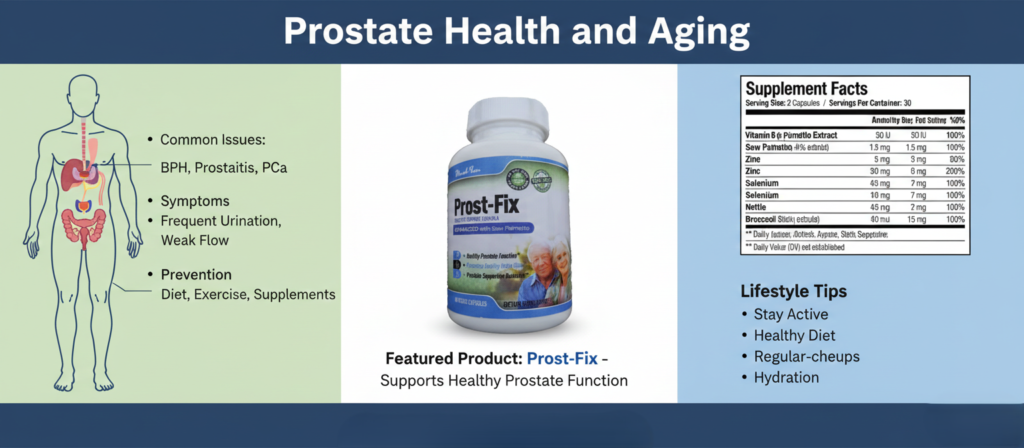
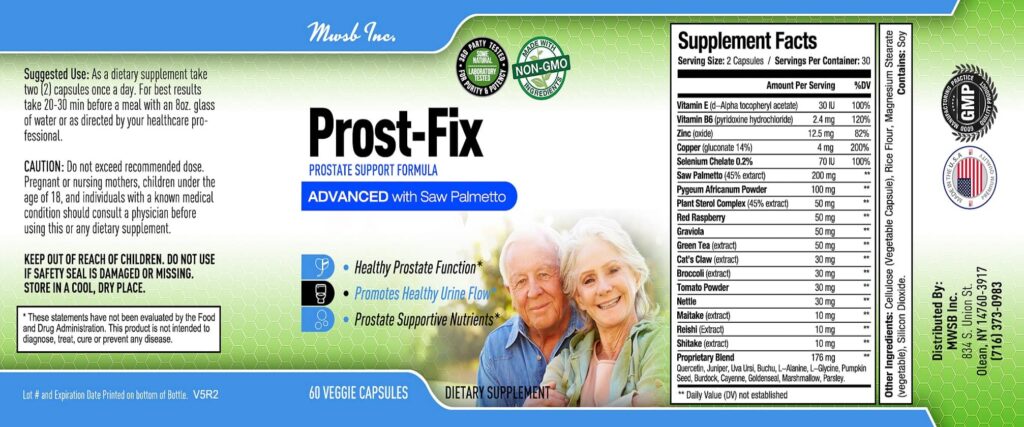
Prost-Fix addresses multiple pathways involved in age-related decline, providing 30 ingredients through six biological pathways supporting prostate health.
Pathway 1: Hormone Balance
Saw palmetto (320mg) modulates 5-alpha reductase (converts testosterone to DHT). Beta-sitosterol (60mg) influences androgen receptors. Nettle root (300mg) affects sex hormone-binding globulin. Together, these support balanced hormone metabolism, critical for maintaining health as men age.
Age-specific relevance: Most effective for men 50s-70s experiencing symptom escalation from hormonal shifts affecting prostate health.
Pathway 2: Inflammation Control
Quercetin (500mg) reduces inflammatory cytokines. Pomegranate (200mg) lowers C-reactive protein. Turmeric (50mg) inhibits inflammatory signaling. Green tea provides anti-inflammatory catechins supporting prostate health.
Age-specific relevance: Men 60+ with established chronic inflammation often report noticeable comfort improvements when inflammatory pathways are addressed, key to managing health in later decades.
Pathway 3: Antioxidant Defense
Selenium (200mcg), vitamin E (100 IU), lycopene (15mg), green tea, and pomegranate provide multi-spectrum protection. Starting antioxidant support in the 40s-50s may slow tissue changes, supporting better prostate health long-term.
Pathway 4: Essential Nutrient Restoration
Zinc picolinate (15mg) addresses depletion (men with symptoms show 38% lower tissue zinc). Vitamin B6 as P5P (10mg) supports hormone metabolism. Vitamin D3 (1000 IU) maintains adequate levels as synthesis declines with age. These are fundamental to prostate health maintenance.
Age-specific relevance: Nutrient needs increase while absorption decreases with aging, making supplementation particularly valuable for prostate health in men over 60.
Pathway 5: Direct Urinary Function Support
Amino acid trio (L-alanine, glycine, L-glutamic acid, 200mg each) shows promise for reducing nighttime urination. Pumpkin seed provides additional plant sterols. Flower pollen has European research history supporting urinary aspects of prostate health.
Age-specific relevance: Men frustrated by frequent nighttime trips (common 60s+) find this particularly valuable for sleep quality, directly impacting prostate health-related quality of life.
Pathway 6: Immune Support
Vitamin D, zinc, and selenium support immune function. Adequate levels help manage tissue health effectively important for maintaining prostate health as immune function declines with age.
Real-World Application by Age
40s-50s (early symptoms): Use proactively to slow progression. May notice maintenance of current function—actually success, preventing escalation in prostate health issues many peers experience.
60s (established symptoms): Typically see measurable IPSS improvements, reduced nighttime frequency (often 3-4 trips to 1-2), stronger stream, better emptying sensation. Prostate health improvements emerge over 4-12 weeks.
70s+ (advanced symptoms): May use alongside medical treatments to optimize comfort. Even modest improvements meaningfully enhance quality of life and prostate health.
Convenience for Aging Men
Managing multiple health concerns is common in later life. Prost-Fix’s comprehensive formula means one daily capsule addresses prostate health rather than juggling 8-10 separate bottles, significant for medication compliance.
Lifestyle Strategies That Support Prostate Health
Diet Modifications
Emphasize: Tomatoes (lycopene), cruciferous vegetables, fatty fish (omega-3s), colorful produce, whole grains, beans, nuts, olive oil, all supporting prostate health through multiple mechanisms.
Minimize: Processed meats, refined carbs, excessive dairy, inflammatory oils, alcohol (especially evening), caffeine (after 2 pm).
Hydration: Drink adequately during the day but taper 2-3 hours before bed to reduce nighttime urination.
Exercise by Decade
50s: Maintain vigorous exercise if able. Mix cardio with strength training. Focus on a healthy weight, crucial for prostate health.
60s: Continue regular activity, moderate intensity. Walking, swimming, cycling. Pelvic floor exercises help with urgency and control.
70s+: Prioritize consistency. Even 20-30 minutes of daily walking maintains metabolic health, reduces inflammation, and supports prostate health.
Stress Management and Sleep
Chronic stress elevates cortisol, worsens inflammation, and amplifies urinary symptoms—all degrading prostate health. Poor sleep compounds problems. Strategies: consistent sleep schedules, relaxing routines, managing stress through meditation, addressing sleep apnea if present, and considering magnesium for sleep support.
Bladder Training
Timed voiding: Urinate on schedule (every 2-3 hours) rather than waiting for urgency. Helps retrain bladder-brain communication, supporting prostate health.
Delay techniques: When feeling an urge, wait 5-10 minutes before going. Gradually extend the time. Reduces frequency and urgency.
Pelvic floor exercises: Strengthening these muscles improves urinary control.
When Natural Support Isn’t Enough
While natural approaches help many men maintain prostate health, some require additional intervention.
Alpha-blockers: Relax the bladder neck and smooth muscle, improving flow. Work quickly but have side effects.
5-alpha reductase inhibitors: Shrink the gland over months. Effective but can cause sexual side effects.
Procedures: TURP, laser, Rezum, UroLift, options for severe symptoms.
Many men combine Prost-Fix with medications to support overall gland health while medications manage symptoms, potentially reduce needed doses (under doctor supervision), and address factors medications don’t target.
Maintaining Monitoring as You Age
Natural support doesn’t replace screening essential to prostate health.
PSA testing: Discuss appropriate intervals based on age, family history, and baseline levels.
Digital rectal exams: Brief but important for detecting changes.
Symptom tracking: Use IPSS questionnaires every 3-6 months to objectively monitor prostate health status.
Address changes promptly: Blood in urine, inability to urinate, severe pain, and rapid PSA rises require immediate attention regardless of supplement use.
Conclusion:
Aging impacts prostate health, but your choices determine the outcome. Biological changes such as hormonal shifts, inflammation, and oxidative stress are common, yet proactive steps can effectively target them.
Products like Prost-Fix deliver research-backed compounds at clinical doses, addressing multiple pathways for better results. Starting in your 40s-50s yields big gains later; even in 70s-80s, improvements in comfort and function are possible.
Pair supplementation with a nutrient-rich diet, age-appropriate exercise, stress reduction, and medical check-ins. Small changes compound into lasting benefits: better sleep, independence, and prostate wellness. You can’t stop aging, but you can age well. Invest today for daily returns in health and vitality.
Prost-Fix Pricing and Supply Options
| Option | Supply Length | Price | Best For |
| 1 Bottle | 30-day supply | $29.95 | Men are beginning to support age-related prostate health changes |
| 3 Bottles | 90-day supply | $59.90 | Best value for a 3-6 month window where prostate health improvements typically develop |
Key Takeaways
| Question | Answer |
| What changes occur as men age? | The gland typically enlarges due to rising estrogen-to-testosterone ratios and continued DHT stimulation. Tissue becomes less elastic, and inflammatory markers increase, contributing to urinary symptoms. |
| At what age do symptoms begin? | Mild symptoms often emerge in the 40s but become pronounced in the 50s-60s. By age 70, most men experience urinary frequency, weak stream, or nighttime trips, common challenges for prostate health. |
| Are changes inevitable? | While some enlargement is common, lifestyle factors—diet, exercise, weight, targeted nutrition significantly influence symptom severity and how prostate health evolves with age. |
| What role does inflammation play? | Chronic low-grade inflammation accelerates tissue changes, causes discomfort, and worsens symptoms. Reducing inflammation through nutrition and botanicals is key to maintaining prostate health. |
| How do hormones influence aging-related issues? | Testosterone declines while estrogen relatively increases. DHT continues stimulating growth. This hormonal shift drives much of the enlargement affecting prostate health in older men. |
| Can natural products help manage symptoms? | Research shows botanical compounds like saw palmetto, pygeum, and plant sterols—combined with anti-inflammatory nutrients—provide measurable symptom relief. Products like Prost-Fix deliver these at clinically studied doses supporting prostate health. |
| Should supplements replace medical care? | No. Natural support works best alongside appropriate medical monitoring (PSA, DRE) to maintain prostate health comprehensively as you age. |