Prostate Cancer Prevention: The Role of Nutrition and Supplements
Every year, roughly 300,000 American men receive a prostate cancer diagnosis. Yet despite its prevalence, research increasingly suggests that lifestyle factors, particularly nutrition, may significantly influence risk. While no diet or supplement can guarantee prevention, understanding which choices support cellular health empowers men to make informed decisions about reducing prostate cancer risk through evidence-based strategies.
Understanding Prostate Cancer Risk: What We Can Control
Non-modifiable risks: Age (over 60% of cases diagnosed after 65), family history (2-3x higher risk), African-American ethnicity (nearly 2x risk), genetic mutations (BRCA1/BRCA2).
Modifiable risks we can address: Diet and nutrition significantly influence risk. Obesity increases aggressive disease risk by 20-30%. Regular exercise shows a 10-30% risk reduction. Smoking increases fatal forms by 30%. Chronic inflammation creates environments favoring cellular abnormalities.
The encouraging reality: optimizing modifiable factors meaningfully impacts overall risk and disease aggressiveness.
Dietary Patterns That Reduce Prostate Cancer Risk
Research shows that overall dietary patterns exert stronger effects on prostate cancer prevention than isolated nutrients.
Mediterranean Diet: 20-40% Risk Reduction
Studies following tens of thousands of men show Mediterranean eating, rich in vegetables, fruits, whole grains, legumes, fish, olive oil, and limited red meat, associated with 20-40% lower prostate cancer rates. This pattern provides high levels of protective compounds while minimizing pro-inflammatory processed foods.
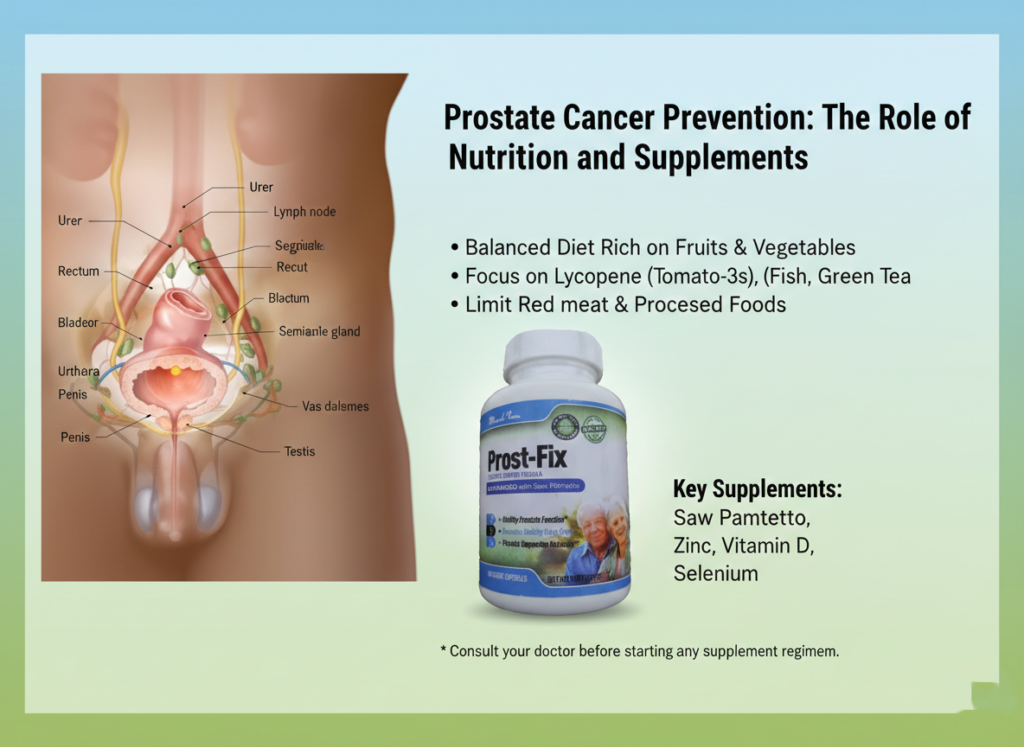
Specific Protective Foods
Tomatoes: Cooked tomato consumption concentrates lycopene. Men consuming 10+ weekly servings show 30-50% lower prostate cancer risk in some studies.
Cruciferous vegetables: Broccoli, cauliflower, and kale contain sulforaphane, supporting healthy cell differentiation and reducing prostate cancer development.
Fatty fish: Salmon and sardines provide anti-inflammatory omega-3s, potentially inhibiting cancer cell proliferation.
Green tea: EGCG catechins show anti-cancer properties correlating with lower risk in Asian populations.
Pomegranates: Punicalagins and ellagic acid affect PSA doubling time, suggesting preventive benefits against prostate cancer progression.
Did You Know? Cooking tomatoes with a small amount of fat (like olive oil) increases lycopene bioavailability by 2-3 times compared to raw tomatoes. The heat breaks down cell walls, and fat enhances the absorption of this fat-soluble carotenoid.
Key Nutrients for Prostate Cancer Prevention
Lycopene: Men with highest blood levels show 20-35% lower prostate cancer risk. One cup of tomato sauce contains 30mg. Protects through antioxidant action and androgen signaling modulation.
Vitamin D: Low levels (<20 ng/mL) correlate with increased aggressive prostate cancer risk. Adequate levels (30+ ng/mL) support immune surveillance. Most men benefit from 1000-2000 IU daily.
Selenium: Functions in antioxidant enzymes. Men with adequate status show 40-60% lower risk. Sweet spot: 100-200 mcg daily. More isn’t better, SELECT trial showed high doses in replete men provided no benefit.
Zinc: Healthy tissue concentrates zinc 10-15x higher than other organs. Moderate intake (15-30 mg daily) supports DNA repair and immune function relevant to prostate cancer prevention.
Omega-3s: Fish consumption correlates with reduced prostate cancer risk. EPA and DHA reduce inflammatory signaling, promoting cellular abnormalities. Target: 2-3 weekly fish servings or supplementation.
Vitamin E: Mixed evidence requires caution. The SELECT trial showed no benefit with high-dose synthetic alpha-tocopherol. Moderate intake from mixed tocopherols appears safe; mega-dosing isn’t justified.
Spotlight on Prost-Fix: Comprehensive Nutritional Support for Long-Term Wellness
Understanding individual nutrients is valuable, but practical application leads to an important question: how do you actually implement all this nutritional science daily? This is where comprehensive formulas designed for prostate wellness become relevant to a prevention-focused lifestyle.
How Prost-Fix Addresses Multiple Prevention Pathways
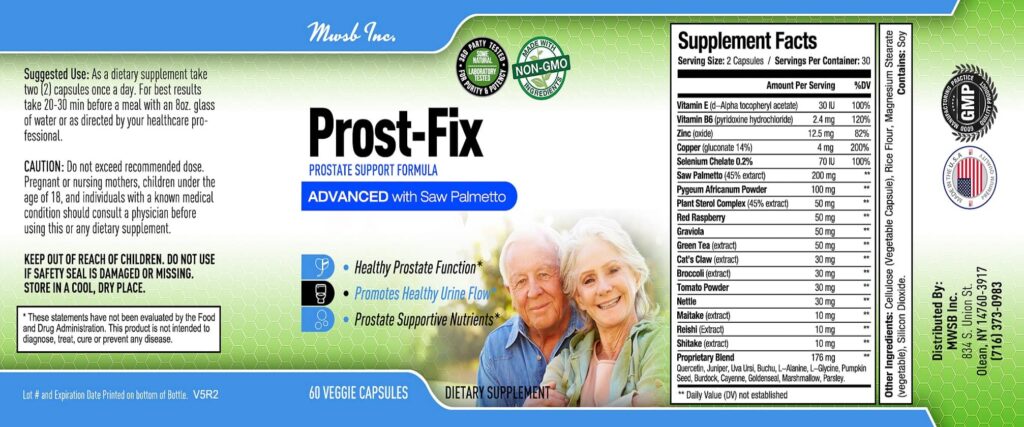
Prost-Fix wasn’t formulated specifically as a cancer prevention product, it’s designed to support overall gland health, urinary comfort, and hormonal balance. However, many of its 30 ingredients overlap significantly with compounds showing protective effects in cancer prevention research.
Protective Nutrients in the Formula
Lycopene (15mg): Provides a meaningful dose of this protective carotenoid, difficult to consume daily through tomatoes alone. The 15mg dose sits in the range associated with reduced risk in epidemiological studies.
Selenium (200mcg): Delivered as selenomethionine, the most bioavailable form. This dose maintains optimal status without excessive intake that raised concerns in some trials.
Vitamin D3 (1000 IU): Supports adequate vitamin D levels alongside sensible sun exposure. Safe dose for daily use that helps men maintain levels above 30 ng/mL.
Zinc picolinate (15mg): Provides zinc in a highly absorbable form at a moderate dose, supporting healthy tissue function without excessive amounts.
Vitamin E (100 IU, mixed tocopherols): Includes the preferred mixed tocopherol form rather than isolated synthetic alpha-tocopherol that showed problems in mega-dose trials.
Green tea extract (300mg): Standardized to provide EGCG catechins showing anti-cancer properties in laboratory and observational studies.
Pomegranate extract (200mg): Concentrated source of punicalagins and ellagic acid, compounds associated with slower PSA progression in clinical trials.
Quercetin (500mg): Flavonoid with anti-inflammatory and antioxidant properties showing cellular effects relevant to cancer prevention.
The Multi-Pathway Prevention Strategy
Rather than mega-dosing single nutrients, Prost-Fix provides moderate amounts of multiple compounds working through different mechanisms:
Antioxidant defense: Selenium, vitamin E, green tea, lycopene, and pomegranate protect DNA from oxidative damage that can trigger mutations.
Inflammation control: Quercetin, pomegranate, turmeric, and omega-3s (from other sources) reduce chronic inflammatory states that promote cellular abnormalities.
Hormone metabolism: Saw palmetto, nettle root, and plant sterols support balanced testosterone and estrogen metabolism, important since hormone-driven growth promotes both benign and malignant changes.
Immune support: Vitamin D, zinc, and selenium enhance immune surveillance, the body’s natural ability to identify and eliminate abnormal cells before they establish.
Cellular health: B vitamins, zinc, and selenium support DNA repair mechanisms and normal cell differentiation.
Prevention Through Overall Gland Health
An important perspective: maintaining healthy prostate tissue through the mechanisms Prost-Fix supports, balanced hormones, reduced inflammation, and optimal nutrition, creates an environment less permissive for cellular transformation.
While we can’t claim supplements prevent cancer (that would require decades-long randomized trials costing hundreds of millions), supporting the biological conditions associated with lower risk makes logical sense.
Practical Application in a Prevention-Focused Lifestyle
Men approaching wellness proactively might use Prost-Fix as one component of a comprehensive strategy:
Foundation: Mediterranean-style diet rich in protective foods
Enhancement: Comprehensive formula providing hard-to-obtain nutrients at research-supported doses
Monitoring: Regular medical screening (PSA, DRE) to catch problems early
Activity: Regular exercise, maintaininga healthy weight
Stress management: Practices reducing chronic inflammation
The supplement doesn’t replace the diet; it complements a protective eating pattern by ensuring optimal nutrient status even on days when food choices aren’t perfect.
Lifestyle Factors Beyond Diet in Prostate Cancer Prevention
Physical Activity: Men exercising regularly show 10-30% lower prostate cancer risk, with stronger effects for aggressive forms. Exercise reduces insulin/IGF-1, lowers inflammation, and supports a healthy weight. Aim for 150+ minutes weekly of moderate activity.
Weight Management: Obesity increases prostate cancer risk 20-30%, particularly aggressive disease. Even modest weight loss (5-10%) reduces inflammatory markers.
Smoking Cessation: Smoking raises aggressive, fatal prostate cancer risk by 30%. Quitting reduces risk within years.
Stress and Sleep: Chronic stress and poor sleep (< 7 hours) elevate cortisol, disrupt immunity, and promote inflammation, all increasing cancer risk.
Putting It All Together: A Practical Prostate Cancer Prevention Plan
1. Eat protectively: 7-10 vegetable/fruit servings (emphasize tomatoes, cruciferous vegetables), fatty fish 2-3x weekly, whole grains, beans, nuts, olive oil. Limit red/processed meat.
2. Maintain a healthy weight: Target BMI 18.5-25, waist under 40 inches.
3. Exercise consistently: 150+ minutes moderate or 75+ vigorous weekly, plus strength training.
4. Optimize key nutrients: Consider comprehensive formulas providing protective compounds at research-backed doses. Monitor vitamin D; supplement to maintain 30-50 ng/mL.
5. Manage stress and sleep: 7-8 hours nightly, stress reduction practices.
6. Avoid tobacco, limit alcohol: Don’t smoke; moderate alcohol if any.
7. Maintain regular screening: PSA testing starting at age 45-50, annual exams. Lifestyle doesn’t replace medical monitoring.
Conclusion:
Growing evidence suggests modifiable factors, particularly nutrition and lifestyle, significantly influence who develops disease and how aggressively it progresses. While no diet or supplement guarantees prevention, the cumulative effect of protective choices substantially shifts odds in your favor.
The most powerful strategy isn’t a single “superfood”; it’s consistent patterns supporting cellular health: plant-rich eating, healthy weight, regular activity, stress management, and optimizing nutrient status through diet and targeted supplementation.
Products like Prost-Fix fit into this framework by providing research-backed nutrients difficult to consume consistently through food alone, such as lycopene, selenium, vitamin D, zinc, and plant polyphenols, at doses associated with protective effects. The formula’s comprehensive approach, addressing multiple pathways mirrors the multi-factorial nature of cancer development itself.
Prevention requires long-term commitment, but the same habits also reduce the risk of heart disease, diabetes, and other chronic conditions while improving quality of life today. The investment pays compound interest across all aspects of wellness.
Prost-Fix Pricing and Supply Options
| Option | Supply Length | Price | Best For |
| 1 Bottle | 30-day supply | $29.95 | Men are beginning comprehensive nutritional support as part of a prevention strategy |
| 3 Bottles | 90-day supply | $59.90 | Best value for consistent daily support alongside protective dietary patterns |
Key Takeaways
| Question | Answer |
| Can diet really influence risk? | Yes. Large population studies show men consuming plant-rich diets with specific protective compounds have 20-40% lower rates compared to those eating typical Western diets high in processed foods and red meat. |
| Which nutrients have the strongest preventive evidence? | Lycopene from tomatoes, cruciferous vegetable compounds (sulforaphane), omega-3 fatty acids, vitamin D, selenium, and zinc show the most consistent protective associations in research. |
| Do supplements work as well as food sources? | Whole foods provide synergistic compounds that isolated supplements can’t replicate. However, targeted supplementation helps achieve optimal nutrient levels difficult to reach through diet alone, especially for men with established deficiencies. |
| At what age should men start prevention strategies? | Evidence suggests protective dietary patterns benefit men starting in their 30s-40s, before cellular changes begin. However, it’s never too late—even men diagnosed with early-stage disease show better outcomes with nutritional interventions. |
| What role do comprehensive formulas play? | Products like Prost-Fix provide research-backed nutrients at protective doses, lycopene, selenium, vitamin D, zinc, plant polyphenols, alongside botanicals supporting overall gland health, addressing multiple risk pathways simultaneously. |
| Can lifestyle changes reverse existing risk? | While we can’t reverse genetic predisposition, adopting protective dietary patterns, maintaining a healthy weight, exercising regularly, and optimizing nutrient status modulate gene expression and cellular environment in ways that reduce progression risk. |
| Should men talk to doctors before supplementing? | Absolutely. Especially men with existing diagnoses, family history, elevated PSA, or those taking medications. Nutritional strategies complement medical care but don’t replace screening, monitoring, or treatment when needed. |