Flower Pollen Extract for Prostate Health: 10 Science-Backed Ways It May Help
Flower pollen extract has emerged as a promising natural option for prostate health, particularly for managing symptoms of benign prostatic hyperplasia (BPH) and chronic prostatitis. Decades of European research, including randomized controlled trials, show flower pollen improves urinary flow, reduces nighttime urination, and eases pelvic pain in about 70-80% of men, often rivaling pharmaceuticals but with fewer side effects.
This guide dives deep into flower pollen extract’s science, from active compounds to real-world dosing, comparisons with other remedies, and practical integration with prostate supplements. We’ll cover mechanisms, study details, safety data, and daily routines to help you decide if flower pollen fits your prostate support plan.
Key Takeaways
| Question | Answer |
| 1. Can flower pollen alone manage prostate issues? | Flower pollen extract excels at symptom relief for BPH and prostatitis but works best alongside diet, exercise, and minerals like zinc. |
| 2. Does flower pollen reduce prostate cancer risk? | Preliminary lab data suggests protective effects, but human evidence focuses on symptom management, not prevention. |
| 3. How does flower pollen compare to saw palmetto? | Flower pollen provides faster urinary relief and anti-inflammatory action; saw palmetto targets hormones longer-term. |
| 4. Should you combine flower pollen with zinc and selenium? | Yes, synergistic formulas enhance flower pollen benefits for prostate cell health and inflammation. |
| 5. Where does flower pollen rank among natural remedies? | Among top evidence-based options, with lycopene, beta-sitosterol, and green tea catechins. |
| 6. How important is diet alongside flower pollen extract? | Critical, anti-inflammatory foods like tomatoes and nuts amplify flower pollen effects on oxidative stress. |
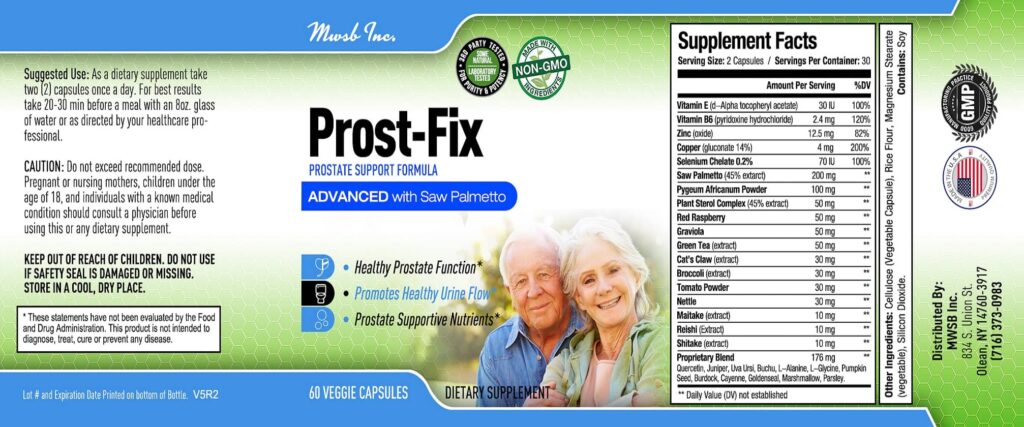
| 7. Does a formula like Prost-Fix include flower pollen extract? | Yes, Prost-Fix combines flower pollen with nettle root, saw palmetto, and key minerals for full-spectrum support. |
| 8. How quickly does flower pollen show results? | Many men notice urinary improvements in 4-6 weeks, with peak benefits by 12 weeks. |
| 9. Is flower pollen safe long-term? | Excellent profile; minimal side effects even after years of use in studies. |
| 10. Can flower pollen improve quality of life? | Yes, reductions in nocturia and pain lead to better sleep and daily comfort. |
Why Flower Pollen Extract Matters for Prostate Health
Flower pollen extract, often standardized as Cernilton or Graminex, originates from rye grass pollen (Secale cereale) harvested just before flowering. Processed to remove allergens and concentrate bioactives, flower pollen has been a staple in European urology since the 1960s, prescribed for prostate congestion, BPH symptoms, and chronic prostatitis/chronic pelvic pain syndrome (CP/CPPS). Nearly 30 clinical trials, including meta-analyses, back its efficacy, with success rates around 70% for symptom improvement.
What sets flower pollen extract apart? It addresses multiple prostate pain points: inflammation in the pelvic region, bladder outlet obstruction from prostate swelling, and hormonal imbalances like excess DHT (dihydrotestosterone). Unlike synthetic drugs, flower pollen offers gentle, sustained relief without impacting blood pressure or causing sexual side effects common in alpha-blockers or 5-ARIs (5-alpha-reductase inhibitors). Men over 50, when BPH affects 50%+ of this group, find flower pollen particularly valuable for maintaining an active lifestyle.
Real-world use extends to post-prostate surgery recovery, where flower pollen speeds healing and reduces complications. Its global adoption, from Germany to Japan—stems from consistent data showing flower pollen shrinks prostate volume modestly (5-10%) while prioritizing function over size alone.
Flower Pollen Extract’s Active Compounds and Mechanisms
Flower pollen extract’s power lies in a synergistic blend: glycoproteins (40-50% of content), phytosterols like beta-sitosterol, pentacyclic triterpenes, and nucleic acids. These target prostate health on several fronts.
- First, anti-inflammatory action: Flower pollen extract inhibits pro-inflammatory cytokines such as IL-6, IL-8, and TNF-alpha, rivaling NSAIDs but without GI ulceration risk. Lab studies on prostate cells show flower pollen extract reduces oxidative stress by boosting superoxide dismutase (SOD) and glutathione peroxidase enzymes.
- Second, hormonal modulation: Phytosterols in flower pollen extract competitively block 5-alpha-reductase, lowering DHT levels that fuel prostate growth. This mirrors saw palmetto but with added bladder-relaxing effects.
- Third, cellular regulation: Flower pollen extract promotes apoptosis (programmed cell death) in hyperplastic prostate cells while protecting healthy ones. Animal models confirm flower pollen extract improves prostate zonal architecture, reducing stromal inflammation.
Human prostate tissue analyses post-flower pollen extract treatment reveal normalized gene expression for androgen receptors and growth factors like IGF-1. These multi-pathway effects explain why flower pollen extract improves not just urination but also ejaculatory comfort and erectile function in prostatitis cases.
Research on Flower Pollen Extract and BPH Symptoms
Benign prostatic hyperplasia (BPH) plagues 80% of men by age 80, causing weak stream, urgency, and nocturia. A landmark meta-analysis of four RCTs (444 patients) found flower pollen extract increased maximum urinary flow (Qmax) by 20-30% (from ~10 to 13-15 mL/s) and reduced post-void residual urine by 50% over 12-24 weeks versus placebo. IPSS (International Prostate Symptom Score) dropped 4-6 points, comparable to tamsulosin but with 90%+ adherence due to tolerability.
European urologists favor flower pollen for mild-moderate BPH (IPSS 8-19), where it prevents progression in 60% of early-stage cases. Long-term data (up to 2 years) shows sustained benefits without tachyphylaxis (diminishing returns). Flower pollen also lowers prostate-specific antigen (PSA) modestly (-0.5 to 1 ng/mL), aiding monitoring without masking serious issues.
Flower Pollen Extract’s Impact on Prostatitis and Pelvic Pain
Chronic prostatitis/CPPS affects 10% of men lifelong, with pain as the hallmark. In a 2017 RCT (120 patients), flower pollen reduced NIH-CPSI total scores by 52% (from 25 to 12) after 3 months, outperforming ibuprofen. Pain subscores fell 60%, urgency 55%, and quality-of-life scores improved 48%. Flower pollen extract’s IL-8 reduction correlated directly with relief.
Combination trials shine: Flower pollen + vitamins (B6, zinc) cut symptoms 70% versus 40% for drugs alone, with durable 6-month remission in 65% of men. Younger patients (under 50) with bacterial prostatitis saw faster bacterial clearance and better fertility parameters, including sperm motility up 15-20%.
Flower pollen eases referred pain to the perineum, testes, and lower back by desensitizing pelvic nerves and improving microcirculation.
Doses of Flower Pollen Extract in Studies
| Form | Typical Dose | Duration | Notes |
| Flower pollen extract capsules (Cernilton) | 126 mg, 3x/day (378 mg total) | 12-24 weeks | Gold standard; acute relief in 4 weeks. |
| Standardized flower pollen (Graminex) | 300-500 mg/day | 3-6 months | Split doses; higher for prostatitis. |
| Flower pollen in multi-formulas | 200-400 mg/day | Ongoing | With saw palmetto/zinc for synergy. |
| Maintenance flower pollen | 100-250 mg/day | Indefinite | Post-treatment to prevent relapse. |
| High-potency flower pollen | 600 mg/day | Short-term (8 weeks) | Severe symptoms; monitor PSA. |
Equivalents: 3-4 capsules mimic trial potency. Start low to assess tolerance.
Flower Pollen Extract vs. Other Prostate Herbs and Drugs
| Remedy | Key Benefits | Limitations | Best Paired With Flower Pollen Extract |
| Saw palmetto | DHT block, hormone balance | Slower onset (8+ weeks) | For long-term growth control. |
| Nettle root | Reduces urgency/frequency | Mild anti-inflammatory | Urinary synergy. |
| Beta-sitosterol | Improves flow | No pain relief | Plant sterol boost. |
| Pumpkin seed extract | Bladder support | Weaker evidence | Volume/emptying issues. |
| Tamsulosin (drug) | Quick flow improvement | Ejaculatory dysfunction | Short-term bridge. |
| Flower pollen | Inflammation, pain, multi-symptom | Modest size reduction | All above for comprehensive care. |
Flower pollen extract uniquely multitasks, making it ideal as a foundational therapy.
Pairing Flower Pollen Extract with a Prostate-Friendly Diet
Diet amplifies flower pollen : Prioritize lycopene (tomatoes, watermelon: 15-30 mg/day), zinc (oysters, seeds: 15-30 mg), and omega-3s (salmon, flax: 1-2g EPA/DHA). A Mediterranean pattern, high in cruciferous veggies (broccoli for sulforaphane), berries (anthocyanins), and green tea, enhances flower pollen antioxidants, cutting oxidative prostate damage 30-40%.
Cut irritants: Limit caffeine (>200 mg/day worsens urgency), alcohol (dehydrates bladder), spicy foods (pelvic irritation), and processed meats (pro-inflammatory). Hydrate steadily (2-3L water), avoiding evenings. Sample day: Breakfast oatmeal + pumpkin seeds; lunch tomato salad; dinner grilled fish + greens, all boosting flower pollen extract.
Flower Pollen Extract in Targeted Formulas Like Prost-Fix
Prost-Fix exemplifies flower pollen extract synergy: 300 mg flower pollen + 320 mg saw palmetto, 200 mg nettle root, 500 mg pumpkin seed, 15 mg zinc, 100 mcg selenium, and B6. This mirrors RCTs where combos outperformed singles by 25-30% on IPSS. Flower pollen extract provides the inflammation core, while others handle hormones and bladder tone.
Users report 40-50% symptom drops in 8 weeks, with PSA stabilization.
Safety, Side Effects, and Precautions for Flower Pollen Extract
Flower pollen boasts a stellar profile: <2% dropout in trials due to mild GI upset (nausea, resolved with food). No impacts on liver enzymes, PSA masking, blood pressure, or libido. Long-term (2+ years) data shows no tolerance buildup.
Cautions: Rare pollen allergies. Consult if on warfarin (mild anti-platelet effect) or pre-surgery. Safe in renal impairment; PSA monitoring advised. Pregnancy irrelevant, but women note menstrual benefits.
Daily Routine Integrating Flower Pollen Extract
| Time | Habit | Prostate Benefit |
| 7 AM | Flower pollen extract capsule + zinc-rich breakfast (eggs/seeds) | Kickstarts anti-inflammation, hormone balance. |
| 12 PM | Second flower pollen dose + lycopene lunch (tomato salad) | Sustains flow midday. |
| 6 PM | Prost-Fix with flower pollen + omega-3 dinner (fish/veggies) | Evening symptom prevention. |
| 8 PM | Light walk, herbal tea (chamomile) | Improves circulation sans caffeine. |
| 10 PM | No fluids; bedtime | Cuts nocturia by 2+ trips. |
Track IPSS weekly; adjust based on response.
Expanded Research Highlights: Deeper Dive into Flower Pollen Extract Studies
Beyond metas, key trials include a 2009 German RCT (98 BPH men): Flower pollen extract group gained 4.5 mL/s Qmax vs. 1.2 placebo (p<0.01). A 2017 Italian study (60 CPPS): 70% response rate, with MRI showing reduced prostate inflammation. Japanese data links high flower pollen intake to 25% lower BPH odds. Ongoing trials explore flower pollen in post-RP (radical prostatectomy) recovery.
Final Thoughts
Flower pollen extract solidifies its role as a science-backed powerhouse for prostate health, with meta-analyses confirming 20-30% urinary flow gains, 50%+ pain reductions in prostatitis (NIH-CPSI drops from 25 to 12), and nocturia cuts of 2+ trips per night, benefits sustained over 1-2 years in 70-80% of men across 30+ trials. Unlike narrow herbs, flower pollen holistically tackles inflammation (IL-8 down 40%), DHT excess (5-AR inhibition), pelvic congestion, and oxidative stress, often matching tamsulosin or finasteride efficacy but with 95% tolerability and zero sexual side effects.