Pumpkin Seed Oil for Prostate Health: Benefits, Dosage, and How It Compares to Prostate Formulas
Men over 50 face a growing challenge with benign prostatic hyperplasia (BPH) and urinary symptoms, and interest in natural support options keeps rising. In a randomized clinical trial, pumpkin seed oil at 720 mg per day lowered prostate symptom scores (IPSS) by 3.19 points over 3 months—less than the prescription drug tamsulosin, but with a strong safety profile and no drug-related side effects reported. This has made pumpkin seed oil an appealing “gentler” option for men who want support for urinary flow and nighttime comfort, especially when combined with other researched herbs like saw palmetto and nettle root.
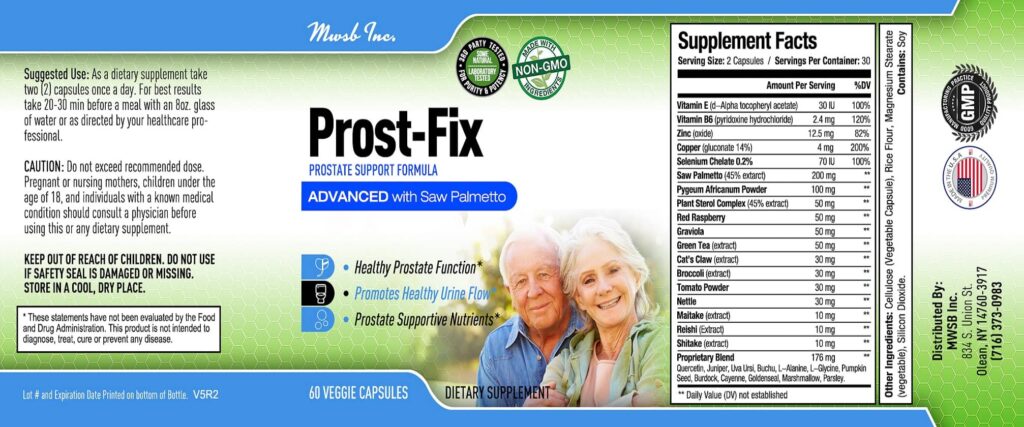
Pumpkin seed oil also appears in multi-ingredient prostate formulas such as Prost-Fix, where it works alongside vitamins, minerals, and additional botanicals for broader support of prostate and urinary function.
Key Takeaways
| Question | Answer |
| 1. What is pumpkin seed oil’s main role in prostate health? | Pumpkin seed oil provides phytosterols and fatty acids that may help ease BPH-related urinary symptoms and support normal urine flow, especially when used consistently over months. |
| 2. Is pumpkin seed oil enough on its own for BPH? | Evidence suggests modest relief when used alone. Many men prefer comprehensive formulas like multi-ingredient prostate supplements that combine pumpkin seed with saw palmetto, nettle root, zinc, and vitamins. |
| 3. How does pumpkin seed oil compare with prescription drugs? | In a head‑to‑head trial, it improved symptoms but was less potent than tamsulosin. However, it showed a very favorable side‑effect profile, which appeals to men seeking gentler options or complementary support. |
| 4. What dose of pumpkin seed oil has been studied? | One key study used 360 mg capsules twice daily (720 mg/day). When assessing products, look at oil amount per serving and whether it is combined with other researched prostate herbs. |
| 5. Should I use pumpkin seed oil alone or in a blend? | Blends such as herbal prostate combinations often target multiple pathways—hormonal balance, inflammation, urinary muscle tone—while still including pumpkin seed as a core ingredient. |
| 6. Where can I find pumpkin seed in a complete formula? | Formulas like Prost-Fix prostate support combine pumpkin seed with saw palmetto, flower pollen, nettle root, zinc, quercetin, and more for broad prostate and urinary support. |
1. What Makes Pumpkin Seed Oil a Promising Herb for Prostate Health?
Pumpkin seed oil is pressed from the seeds of pumpkins and is rich in fatty acids, vitamin E, and plant sterols.1 These compounds are of special interest for men because they may influence hormone-related pathways and tissue changes involved in benign prostatic hyperplasia.
One key group of compounds, $\Delta$7‑phytosterols, has been shown to inhibit 5$\alpha$‑reductase and modulate androgen receptors, mechanisms also targeted by prescription BPH drugs. This gives a plausible biological explanation for why pumpkin seed oil may help support a more comfortable urinary routine and promote healthy prostate tissue structure over time.
Pumpkin seed oil is often grouped alongside other prostate-supportive herbs like saw palmetto, nettle root, and flower pollen. While each has its own profile, pumpkin seed brings a combination of healthy fats and phytosterols that may complement these other botanicals in multi-ingredient formulas.
For men aiming for long-term prostate wellness, pumpkin seed oil is not a quick fix but a supportive ally—most benefits in studies appear over 8–12 weeks or more of consistent use.
2. Clinical Evidence: How Well Does Pumpkin Seed Oil Work for BPH Symptoms?
The most informative modern trial on pumpkin seed oil for BPH followed 73 men with urinary symptoms over 3 months. Participants received either pumpkin seed oil capsules (720 mg per day) or tamsulosin, a standard prescription alpha‑blocker. Symptom changes were measured with the International Prostate Symptom Score (IPSS), a common clinical tool.
By the end of the study, men taking pumpkin seed oil saw an average 3.19‑point drop in IPSS, while those on tamsulosin improved by about 5.33 points. This shows that pumpkin seed oil can provide meaningful relief, albeit milder than medication. For some men, especially those prioritizing tolerability and natural ingredients, that trade‑off may be acceptable or even preferable.
Importantly, the study followed men for a full 3 months and monitored not only symptoms but also factors like quality of life, PSA levels, residual urine, and urine flow measures. This gives a more complete picture of how pumpkin seed oil fits into real‑world prostate care.
Across the literature, additional data on pumpkin seed extracts (not just oil) suggest that pumpkin-derived products can produce roughly 30% reductions in IPSS over 12 weeks in some cohorts, with good tolerability.2 While oil formulations may differ in dosage and composition, these findings support the broader role of pumpkin seed components in prostate symptom relief.
3. Dosage and Forms: Pumpkin Seed Oil vs. Whole Seed and Extracts
Pumpkin seed can appear in several forms: culinary oil, softgels, whole seeds, powders, and standardized extracts. For prostate health, softgels and extracts are most common because they offer more precise dosing and consistent phytosterol content. In the 3‑month oil trial, men took 360 mg pumpkin seed oil capsules twice daily (720 mg/day total), each capsule supplying about 1% phytosterols.
Culinary pumpkin seed oil used in salads or cooking can still contribute beneficial fats and sterols, but intake is harder to quantify. Standardized extracts, by contrast, may deliver higher or more consistent levels of phytosterols per capsule than some oil products, so label details matter.3 When comparing products, look for the milligrams of oil or extract per serving and any note on phytosterol or $\Delta$7‑sterol content.
Did You Know?
In the key randomized trial, each pumpkin seed oil capsule contained 360 mg of oil with about 1% phytosterols, taken twice daily for a total of 720 mg of oil per day—this is the dosing many experts reference when evaluating pumpkin seed oil for BPH support.
Because oil‑only evidence is still relatively limited, many men and clinicians view pumpkin seed oil as one component in a broader plan—complementing diet, lifestyle, and, when needed, medical treatment. It is always wise to discuss new supplements with a healthcare provider, especially if you already take BPH medications or blood‑thinning drugs.
4. Pumpkin Seed Oil in Multi‑Herb Formulas: Spotlight on Prost‑Fix
While pure pumpkin seed oil products focus on a single active plant source, many men look for comprehensive formulas that also address hormone balance, inflammation, and urinary muscle tone. Prost‑Fix is one such formula, designed as a once‑daily capsule for prostate and urinary tract support. It combines pumpkin seed with saw palmetto, nettle root, flower pollen extract, zinc, selenium, vitamin B6, quercetin, and more.
This multi‑ingredient approach mirrors how many clinicians think about prostate health: no single pathway explains BPH symptoms. By including pumpkin seed alongside other research‑supported herbs and nutrients, Prost‑Fix aims to support normal urine flow, bladder comfort, and nighttime routine more comprehensively than a one‑ingredient product.
From a practical standpoint, a once‑daily formula is easier for many men to remember than twice‑daily oil capsules. Prost‑Fix capsules are also non‑GMO and produced in GMP‑certified U.S. facilities, aligning with the quality standards many health‑conscious customers expect from their daily supplements.
5. Comparing Costs: Pumpkin Seed Oil Alone vs. Pumpkin Seed in Prost‑Fix
Cost is a real‑world factor when choosing between a dedicated pumpkin seed oil supplement and a broader formula containing the herb. Below is a simple way to think about value when pumpkin seed is part of a multi‑ingredient formula:
| Option | What You Get | Example Price | Notes |
| Pumpkin seed oil only (softgels) | Oil + fatty acids + phytosterols | Varies by brand | You may need additional supplements (zinc, vitamins, other herbs). |
| Prost‑Fix (Multi‑herb formula) | Pumpkin seed + saw palmetto + nettle + zinc + vitamins | $29.95 (1 bottle) | Consolidates many prostate‑support ingredients into one daily capsule. |
Some promotional pages even highlight free sample experiences, where qualified customers can try Prost‑Fix for a short period while paying only shipping and handling. For men exploring whether multi‑ingredient prostate support makes a noticeable difference, this can be a low‑risk way to gauge personal response.
6. Safety, Side Effects, and Tolerability of Pumpkin Seed Oil
One of pumpkin seed oil’s strongest advantages is its safety profile in the context of BPH support. In the 3‑month randomized trial, men in the oil group reported no drug‑related adverse events. By comparison, the tamsulosin group experienced side effects such as dizziness, headache, retrograde ejaculation, and skin irritation in a subset of participants.
This does not mean pumpkin seed oil is risk‑free—any supplement can cause individual sensitivity—but it highlights how well‑tolerated the oil appears at studied doses. Men who are cautious about medication side effects, or those who cannot tolerate certain BPH drugs, may find pumpkin seed oil (or blends containing it) a gentler option to discuss with their clinician.
As with any herbal ingredient, quality matters. Look for pumpkin seed oil (and formulas containing it) that are made in FDA‑registered, GMP‑certified facilities, ideally with third‑party quality checks. Non‑GMO, allergen‑free, and vegetarian capsules are additional advantages for many customers with specific dietary needs.
7. How Pumpkin Seed Oil Works with Other Prostate Nutrients
Pumpkin seed oil is rarely used in isolation in modern prostate formulas. Instead, it is paired with zinc, selenium, vitamin B6, and other micronutrients that support hormone metabolism, antioxidant defenses, and normal immune balance in the prostate. Research articles on prostate health repeatedly highlight minerals like zinc as essential for maintaining normal prostate structure and function.
Similarly, vitamins such as vitamin D, vitamin E, and B‑complex vitamins have been associated with prostate and urinary wellness in observational and clinical data. While pumpkin seed oil contributes healthy fats and phytosterols, these vitamins and minerals provide complementary support for cellular health and inflammatory balance. This “whole‑system” strategy underlies many comprehensive supplements for aging men.
Did You Know?
In a modern trial of men with BPH, those taking pumpkin seed oil reported no drug-related side effects over 3 months, while the tamsulosin group experienced dizziness, headache, retrograde ejaculation, and skin reactions.
When you see pumpkin seed oil on a prostate formula label, it is worth scanning what else is included. Ingredients like saw palmetto, nettle root, flower pollen, and quercetin each play specific roles, from supporting urinary muscle relaxation to moderating inflammatory signaling. Together, they create a more robust support profile than pumpkin seed oil could offer by itself.
8. Realistic Expectations: How Long Before Pumpkin Seed Oil Helps?
Herbal and nutrient‑based approaches work more gradually than most prescription drugs. In the pumpkin seed oil vs. tamsulosin trial, symptom relief began within the first month for both groups, but the prescription drug showed a faster and larger effect. The oil group still trended toward improvement at 1 month and continued to gain benefit through 3 months.
For men using pumpkin seed oil or a formula containing it, a realistic expectation is to give the supplement at least 8–12 weeks of consistent daily use. Tracking your own symptom patterns can help you and your clinician decide whether a product is worth continuing.
Longer‑term observational research on pumpkin seed extracts (up to 24 months) suggests ongoing improvements in symptom scores and quality of life, especially when products are taken steadily.6 This reinforces the idea that herbal prostate support is best thought of as part of a daily wellness routine, not a quick rescue.
9. Choosing a Quality Pumpkin Seed Oil Formula
If you decide to add pumpkin seed oil to your prostate health plan, a few selection criteria can help you choose wisely:
- Clear labeling: Look for total milligrams of pumpkin seed oil or extract per serving and any mention of phytosterol content.
- Evidence‑based design: Products that mirror clinically used doses or combine pumpkin seed with well‑studied herbs and nutrients often offer more targeted support.
- Manufacturing standards: Made in the USA, FDA‑registered, GMP‑certified facilities are strong quality markers.7
- Capsule quality: Non‑GMO, vegetarian capsules and allergen‑free formulas are easier to fit into most lifestyles.
10. Putting It Together: When Pumpkin Seed Oil Makes Sense
Pumpkin seed oil is a well‑tolerated, research‑supported herb that can modestly ease BPH‑related urinary symptoms and support long‑term prostate comfort.8 It may be especially suitable for men with mild to moderate symptoms who prefer natural strategies.
However, it is not a substitute for medical evaluation. Sudden changes in urination, pain, blood in the urine, or rapidly worsening symptoms should always prompt a medical visit. For men with more severe BPH, prescription medications or procedures may still be necessary, with pumpkin seed oil used as an adjunct rather than a primary therapy.
Conclusion
Pumpkin seed oil has earned its place among herbs for prostate health thanks to its phytosterol content, favorable safety profile, and clinical evidence showing modest symptom relief. In formulas like Prost‑Fix, pumpkin seed works together with saw palmetto and other key nutrients to support multiple aspects of prostate function in one daily capsule. Whichever route you choose, consistent use and regular communication with your healthcare provider are essential.