Key Takeaways
- Reducing salt in your diet can help lower blood pressure.
- Eating foods rich in potassium balances salt levels.
- Regular exercise strengthens your heart.
- Managing stress can lower blood pressure.
- Maintaining a healthy weight supports heart health.
- Limiting alcohol and quitting smoking improve blood pressure.
- Some natural supplements may help, but consult a doctor first.
Understanding Blood Pressure
Blood pressure is the force of your blood pushing against the walls of your arteries. When it’s too high, it’s called hypertension. Hypertension can lead to serious health problems like heart disease and stroke. Knowing how to manage your blood pressure naturally can help keep your heart healthy.
The Importance of Diet in Blood Pressure Management
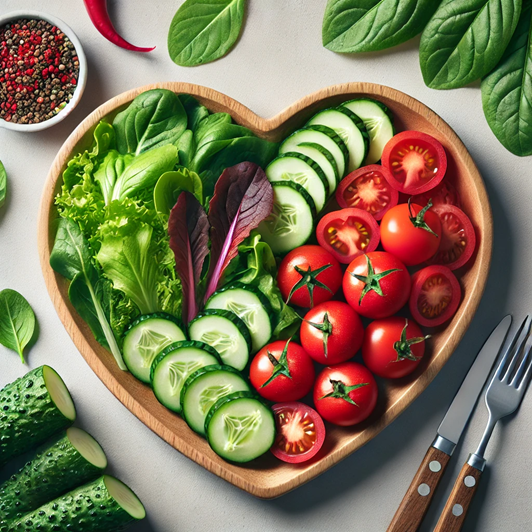
What you eat plays a big role in your blood pressure. Eating healthy foods can lower your blood pressure, while unhealthy foods can raise it. A diet rich in fruits, vegetables, whole grains, and low-fat dairy products can make a positive difference.
Reducing Salt Intake
Eating too much salt can raise your blood pressure. Try to eat less than 1,500 milligrams of salt each day. This means avoiding salty snacks and not adding extra salt to your meals.
Eating Potassium-Rich Foods
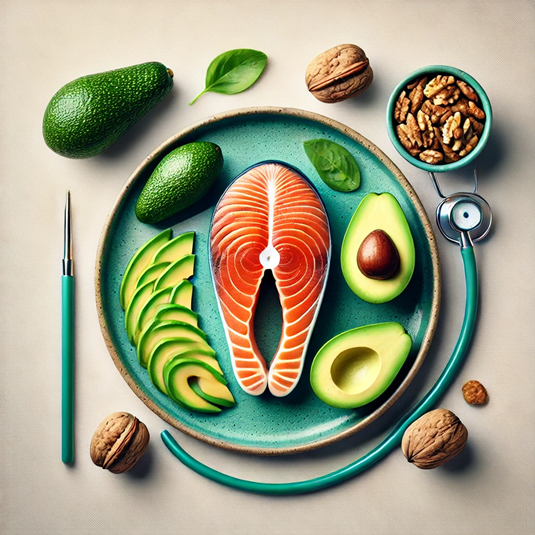
Potassium helps balance out the salt in your body. Foods like bananas, sweet potatoes, and spinach are high in potassium. Eating these foods can help relax your blood vessels and lower your blood pressure.
The Benefits of Probiotics
Probiotics are good bacteria found in foods like yogurt. They can help keep your gut healthy and may lower your blood pressure. Including probiotics in your diet is an easy way to support your heart.
Emphasizing Whole Foods
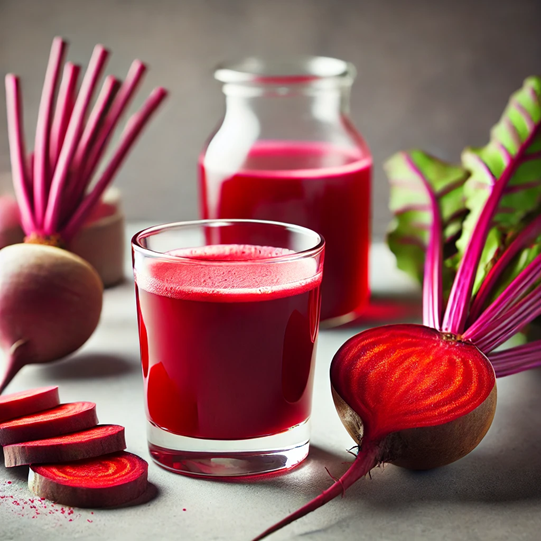
Whole foods are foods that are not processed. Fruits, vegetables, nuts, and seeds are all whole foods. They have nutrients that are good for your heart. For example, berries have special compounds that can help lower blood pressure.
The Role of Exercise

Exercise makes your heart stronger. A strong heart can pump blood more easily, which can lower your blood pressure. Aim for at least 150 minutes of moderate exercise each week. This can be activities like walking, swimming, or even dancing.
Weight Management Strategies
Being overweight can raise your blood pressure. Losing even a small amount of weight can help lower it. Eating healthy foods and staying active can help you reach a healthy weight.
Stress Reduction Techniques

Stress can make your blood pressure go up. Doing things like yoga, meditation, and deep breathing can help you relax and lower your blood pressure.
Limiting Alcohol Consumption
Drinking too much alcohol can raise your blood pressure. Limiting how much you drink can help lower it. If you choose to drink, do so in moderation.
The Importance of Quitting Smoking
Smoking damages your blood vessels and raises your blood pressure. Quitting smoking can improve your heart health and lower your risk of heart disease.
Get help to quit smoking here.
Natural Supplements and Remedies

Some natural supplements like Coenzyme Q10, fish oil, garlic extract, and hibiscus may help lower blood pressure. Discover natural solutions. However, it’s important to talk to a doctor before taking any new supplements.
My Personal Experience with Blood Pressure Management
As a health expert, I’ve seen many people lower their blood pressure by making simple changes. Eating more fruits and vegetables, exercising regularly, and managing stress can make a big difference. I always recommend starting with small steps and building up over time.
Frequently Asked Questions
Q: What foods should I avoid to lower my blood pressure?
A: Try to avoid foods high in salt, like chips, canned soups, and processed meats.
Q: How much exercise do I need to help my blood pressure?
A: Aim for at least 150 minutes of moderate exercise each week.
Q: Can I stop taking my blood pressure medication if I use natural remedies?
A: You should always talk to your doctor before changing any medication.
Q: Does stress really affect blood pressure?
A: Yes, stress can raise your blood pressure, so managing it can help lower it.
Q: Are natural supplements safe to use?
A: Some may help, but it’s important to consult a doctor before taking any new supplements.